A garden can completely change the character of a home. Even a modest outdoor area can become colorful, relaxing, and useful when it is planned around the way you actually live. You do not need an expensive landscape makeover or complicated gardening techniques to create an appealing space.
With a few thoughtful adjustments, you can improve planting areas, organize tools, refresh patios, introduce decorative touches, and make evenings outdoors more enjoyable. Garden Tips DecoradHouse brings these ideas together with a focus on practical improvements that are easy to adapt to different homes and garden sizes.
1. Simple Garden Tips for Beginners
Starting with a clear plan makes gardening much easier. Before buying plants or outdoor accessories, take a close look at your available space. Notice where sunlight falls, where water collects, and which areas receive shade.
Think about how much maintenance you are willing to handle. A garden designed around your available time will be much easier to enjoy than one that demands constant attention.
Plan Your Garden Space
Begin by deciding what you want from your outdoor area. Perhaps you want a colorful flower garden, a relaxing seating zone, space for herbs and vegetables, or a mixture of several uses.
Divide the garden into simple sections when necessary. A planting border can sit beside a pathway, while a patio can provide a dedicated area for seating.
Pay attention to movement between different areas. Paths should remain accessible, and plants should have enough room to grow without taking over walkways.
It is also worth considering views from inside your home. A well-positioned tree, flower bed, or container display can make the garden more attractive even when viewed through a window.
Choose the Right Plants
Selecting suitable plants is more important than choosing the most fashionable varieties. Consider the conditions in your garden before making purchases.
Sun exposure, soil, moisture, temperature, and available space can all influence plant performance. Read plant labels or seek local gardening advice when you are uncertain about their requirements.
Remember that plants grow. A small shrub may eventually become much wider or taller than it appears at the garden center. Allowing sufficient space from the beginning can reduce future pruning and overcrowding.
For a more interesting garden, combine plants with different heights, leaf shapes, textures, and flowering periods.
Prepare Healthy Soil
Strong plants begin with suitable soil. Clear the planting area of weeds, stones, and unwanted debris before adding new plants.
Where appropriate, organic matter such as compost can improve soil structure and support plant growth. However, soil requirements vary, so avoid assuming that every plant needs the same treatment.
Drainage should also be considered. Waterlogged soil can create problems for plants that prefer drier conditions. If an area consistently holds water, investigate the drainage issue before filling it with new plants.
Healthy soil is an ongoing part of garden care, so continue observing how plants respond and adjust your approach when necessary.
2. Garden Tips DecoradHouse for Beautiful Spaces
A garden can be functional without looking plain, especially when it complements an upgrade house design. Carefully selected plants and a few decorative details can give your outdoor space a distinct personality while creating a seamless connection between your garden and home.
The secret is balance. Rather than filling every available area, create a visual structure where plants and features have room to stand out. This approach can make your upgrade house feel more inviting, polished, and connected to its outdoor surroundings.
Add Colorful Plants
Flowers can introduce instant energy into a garden. Instead of using every color available, select a combination that complements your home’s exterior and existing landscape.
You might use one main color with a few supporting shades or create different color zones throughout the garden.
Do not forget foliage. Green plants with unusual shapes, silver tones, deep shades, or textured leaves can provide visual interest even when flowers are not blooming.
Containers offer another opportunity to introduce seasonal color. They can be moved, rearranged, and replaced more easily than plants established directly in the ground.
Create Attractive Plant Arrangements
How plants are positioned can be just as important as which plants you choose. Taller varieties can provide a backdrop, while shorter plants can fill the front of a border.
Repeating certain plants throughout the garden can create a sense of continuity. Rather than placing one of every variety in different locations, consider grouping similar plants together.
Use focal points carefully. An attractive tree, unusual planter, or colorful flower group can draw attention to a particular area.
Leave some open space between features. A garden needs breathing room, and excessive planting can make maintenance harder.
Use Decorative Garden Features
Garden accessories can add character when they are selected thoughtfully. Benches, trellises, decorative stones, planters, sculptures, and small water features can all become useful focal points.
Choose materials that work with the appearance of your home. Natural wood and stone may suit a relaxed garden, while simple metal or geometric features can complement a contemporary property.
Scale matters too. A large decorative feature can overwhelm a small garden, while tiny accessories may become invisible in a large landscape.
Use decoration to support the garden rather than compete with the plants.
3. Low-Maintenance Garden Ideas
Not everyone wants to spend hours gardening every week. Fortunately, a well-planned outdoor space can remain attractive without demanding constant work.
The most effective strategy is to choose plants and layouts that naturally fit your available time and local conditions.
Choose Easy-Care Plants
Look for plants that are well suited to your climate and garden conditions. Plants that naturally perform well in the environment may require less intervention than varieties struggling outside their preferred conditions.
Group plants with similar watering and sunlight needs together. This makes routine maintenance simpler because you can care for related plants at the same time.
Avoid creating more planting beds than you can realistically maintain. A smaller garden that receives regular attention can look much better than an ambitious design that becomes neglected.
Reduce Weeds Naturally
Weeds are easier to manage when addressed early. Check planting areas regularly and remove unwanted growth before it becomes deeply established.
Mulching can help cover exposed soil and reduce opportunities for weeds to emerge. It can also help conserve moisture depending on the material and environmental conditions.
Groundcover plants may provide another option for suitable areas by reducing the amount of bare soil available for weeds.
Regular garden maintenance is usually easier than allowing unwanted growth to become a major problem.
Make Watering Easier
Efficient watering starts with understanding what your plants actually need. Avoid automatically watering every area on the same schedule.
Check soil moisture when appropriate and adjust watering according to weather conditions. Newly planted areas may need different care from established plants.
Drip irrigation or soaker systems can make watering more efficient in suitable gardens. Containers may need closer attention because they can dry out more quickly than garden beds.
A mulch layer can also help retain soil moisture in appropriate planting areas.
4. Smart Garden Organization
An organized garden is easier to maintain and more pleasant to use. Tools should be easy to locate, pathways should remain clear, and storage should not interfere with the appearance of the space.
Organize Garden Tools
Keep commonly used tools together in a dedicated location. A small shed, cabinet, tool box, or wall-mounted rack can prevent equipment from being scattered around the property.
Arrange tools according to frequency of use. Items you use regularly should be easy to reach, while seasonal equipment can be stored farther away.
Clean and dry tools after use whenever appropriate. Proper care can help prevent unnecessary deterioration and keep equipment ready for the next project.
Create Practical Storage
Garden storage can combine convenience with attractive design. Weather-resistant boxes can hold smaller supplies, while sheds or cabinets can accommodate larger equipment.
Vertical storage is particularly helpful when space is limited. Hooks, shelves, and wall-mounted organizers can make use of otherwise unused surfaces.
Store gardening products and sharp equipment securely, especially when children or pets have access to the outdoor area.
Good storage should reduce clutter rather than become another source of it.
Design Clear Garden Paths
Pathways provide structure and make movement around the garden easier. They can connect the patio with planting areas, entrances, seating zones, and other features.
Choose surfaces that suit the style and expected use of your garden. Keep paths wide enough for comfortable movement and maintain them regularly.
Remove leaves, weeds, mud, and other debris before they become a safety issue. A clean pathway also helps the entire garden appear more organized.
5. Budget-Friendly Garden Updates
Creating a beautiful garden does not require a large investment. Maintenance, creativity, and thoughtful reuse can often produce impressive results.
Refresh Old Planters
Instead of replacing worn planters, see whether they can be cleaned or refreshed. Suitable outdoor paint can give some containers a completely different appearance.
Arrange several planters at different heights to create a more dynamic display. You can also move containers between areas when you want to change the garden’s layout.
Make sure containers provide adequate drainage and are appropriately sized for the plants you intend to grow.
Try Simple DIY Projects
DIY projects can add personality without requiring a major budget. Depending on your abilities, consider making a basic trellis, refreshing outdoor furniture, creating a plant stand, or building simple storage.
Choose projects that match your experience and use materials appropriate for outdoor conditions.
Take accurate measurements and use suitable protective equipment when working with tools. Avoid attempting specialized electrical, structural, or other hazardous work without appropriate expertise.
Reuse Everyday Materials
Repurposing suitable household items can create interesting garden features while reducing waste. Old containers may become planters, unused shelves can provide storage, and suitable timber can potentially be transformed into garden furniture.
Before using an item outside, consider whether it can tolerate rain, humidity, sunlight, and temperature changes.
Repurposing works best when the finished item remains useful and fits naturally into the garden.
6. Patio and Outdoor Garden Ideas
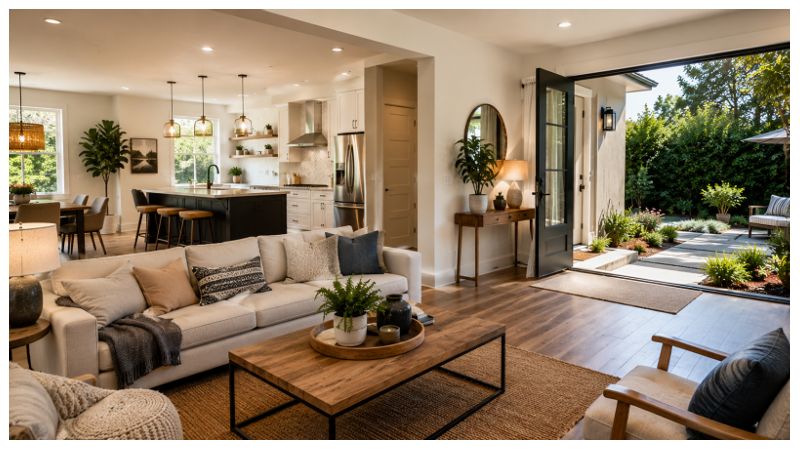
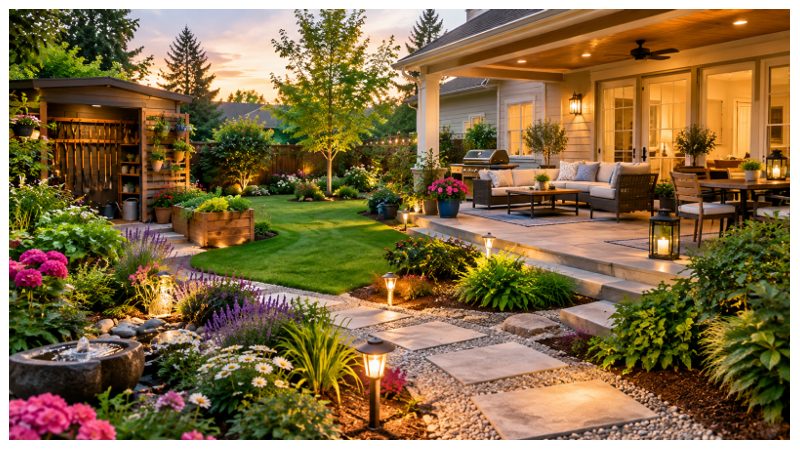
A patio can serve as the bridge between your indoor rooms and outdoor landscape. With a comfortable arrangement and a few decorative additions, it can become a useful place for relaxing or entertaining.
Create a Comfortable Seating Area
Select furniture according to the patio’s size and purpose. A compact space may work better with two comfortable chairs and a small table, while a larger patio can accommodate a complete seating arrangement.
Position furniture so that people can move around easily. Outdoor cushions and suitable textiles can introduce comfort and color.
A small table can provide a practical surface for drinks, books, or decorative objects without taking up excessive space.
Add Potted Plants
Potted plants are an easy way to soften patios and other hard surfaces. Place containers near seating areas, entrances, walls, or patio edges.
Use different pot sizes to create visual layers. Taller plants can provide structure, while smaller containers can fill gaps.
Always consider the sunlight and wind conditions of the patio before selecting plants. Container plants may also need more frequent watering than those growing directly in the ground.
Connect the Patio With the Garden
A strong visual connection can make the patio and garden feel like one continuous outdoor environment.
Repeat materials, colors, or plants across both spaces. Matching planters or similar textures can help create consistency.
You can also use curved borders, stepping stones, or small planting areas to soften the transition between hard patio surfaces and greenery.
7. Garden Lighting Ideas
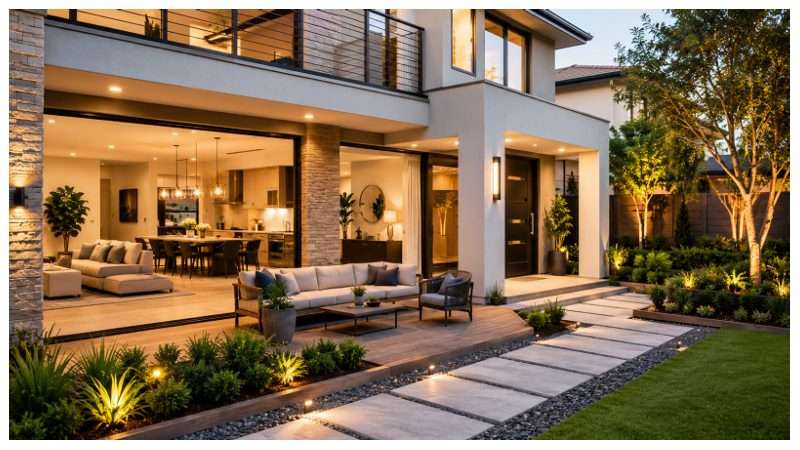
Thoughtful lighting can extend the usefulness of an outdoor space after sunset. It can also emphasize selected features and help define pathways.
Illuminate Garden Paths
Path lighting can make walkways easier to see during the evening. Position fixtures carefully so that they provide useful illumination without creating harsh glare.
Solar-powered lights can be convenient for some locations, while other installations may require wired solutions.
Inspect outdoor fixtures periodically and keep them clear of dirt, leaves, and overgrown plants.
Highlight Plants and Features
Accent lighting can bring attention to a tree, flower bed, wall, sculpture, or other garden feature.
You do not need to illuminate every part of the garden. Selecting a few focal points can create depth and make the landscape feel more interesting after dark.
Experiment with the direction and position of lights to emphasize textures and shapes without shining directly toward seating areas or neighboring windows.
Create a Cozy Evening Atmosphere
Outdoor seating areas can become especially inviting with soft, carefully positioned lighting.
Combine practical illumination with subtle decorative fixtures where appropriate. Lighting around pathways and entrances can serve a functional purpose, while gentle illumination near seating can create a relaxed atmosphere.
Avoid excessive brightness. A balanced lighting plan should make the garden comfortable rather than turning the entire space into a brightly illuminated area.
8. Common Garden Mistakes to Avoid
Even a simple garden can become difficult to manage when basic requirements are overlooked. A few preventative decisions can save considerable time later.
Avoid Overwatering
Plants need water, but excessive moisture can create problems for varieties that prefer well-drained conditions.
Check soil moisture before watering when practical and learn the requirements of your plants. Weather should also influence your routine; gardens may need less supplemental water after substantial rainfall.
Pay particular attention to containers because their drainage and moisture levels can change quickly.
Give Plants Enough Space
Crowded plants can compete for resources and become difficult to maintain. Before planting, check the expected mature size of each variety.
Providing adequate space allows plants to develop naturally and can improve airflow around foliage.
Proper spacing may make the garden look slightly sparse at first, but plants can fill out as they grow.
Choose Plants for Your Conditions
A plant’s appearance is only one part of the selection process. Its growing requirements should match your garden.
Consider sunlight, soil, moisture, temperature, and available room. Local or climate-appropriate varieties may be easier to maintain because they are better adapted to surrounding conditions.
Research plants before purchasing them rather than making every decision based only on appearance.
9. Final Thoughts on Garden Tips DecoradHouse
An enjoyable garden develops through thoughtful choices rather than expensive additions. Start with the fundamentals, understand your space, and gradually introduce improvements that make the outdoor area more useful and attractive.
Keep Your Garden Practical
Every garden decision should consider maintenance and everyday use. Select plants you can realistically care for, keep paths accessible, and organize tools so routine tasks remain straightforward.
Simple systems for watering, storage, planting, and lighting can save time while keeping the space looking neat.
Do not feel pressured to complete everything at once. Gradual improvements make it easier to understand what works for your garden and avoid unnecessary spending.
Create an Outdoor Space You Enjoy
Your garden should reflect how you want to spend time outdoors. Some people may prefer colorful flower beds, while others may enjoy greenery, edible plants, quiet seating areas, or a combination of different features.
Use these Garden Tips DecoradHouse as a starting point and adapt each idea to your property’s size, conditions, budget, and personal preferences.
A well-planned garden does not need to be complicated. With suitable plants, organized spaces, comfortable outdoor areas, thoughtful decoration, and practical lighting, you can gradually turn an ordinary garden into a welcoming part of your home.