Decorating a home is an opportunity to shape an environment that feels comfortable, useful, and unmistakably personal. A room does not need expensive furniture or dramatic renovations to look impressive. Sometimes a better arrangement, carefully selected colors, improved lighting, or a few meaningful accessories can completely change the character of a space.
The best approach is to decorate with purpose. Think about how each room is used, what currently feels uncomfortable, and which areas could benefit from a simple visual refresh. These Decoration Tips Decoradhouse From Decoratoradvice offer practical ideas for creating attractive interiors, improving outdoor areas, and making thoughtful changes without turning every project into a major expense.
1. Simple Decoration Tips for Every Home
Before adding anything new, take a fresh look at your home. Notice which areas already work well and which ones feel crowded, empty, outdated, or disconnected.
A successful decorating plan should consider appearance and everyday practicality together. Furniture needs enough room for movement, storage should be convenient, and decorative features should support the atmosphere you want to create.
Understand Your Home’s Style
Your home’s style does not have to fit into one strict design category. It can develop from a combination of colors, materials, furniture shapes, artwork, and personal belongings that you genuinely enjoy.
Begin by identifying what attracts you. Perhaps you prefer natural wood, soft fabrics, simple contemporary furniture, traditional details, or bold decorative accents.
Once you recognize these preferences, repeat selected elements throughout the home. A consistent material, color family, or texture can connect different rooms without making them look identical.
Avoid buying several unrelated pieces simply because each one looks attractive individually. Consider how every new item will interact with what you already own.
Choose a Practical Color Palette
Color can influence the personality of a room more quickly than many other decorating changes. Instead of selecting numerous shades, establish a small palette that can be repeated through walls, furniture, textiles, and accessories.
Neutral tones can provide a flexible foundation, while stronger colors can be introduced through artwork, cushions, curtains, rugs, or selected furniture.
Think about the amount of natural light before choosing paint. A color that looks soft and warm in a bright room may appear completely different in a darker area.
Testing samples on the actual wall is worthwhile. Observe them during daylight and evening hours before making a final decision.
Create a Balanced Layout
A good layout allows a room to function naturally. Start by positioning the largest furniture pieces and then arrange smaller elements around them.
Keep major walking routes open. People should be able to reach doors, windows, seating, storage, and other frequently used areas without squeezing between furniture.
Balance is also visual. If a large cabinet occupies one side of the room, a completely empty opposite side may make the space feel uneven. A chair, artwork, lamp, or collection of smaller pieces can provide visual weight without overcrowding the area.
Do not be afraid of empty space. Leaving selected areas uncluttered gives furniture and decorative features more impact.
2. Decoration Tips Decoradhouse for Living Spaces
Living spaces need to accommodate real life. Families may use the same room for relaxing, entertaining, reading, watching television, working, or spending time together.
Instead of designing a room around a single activity, create a flexible arrangement that can adapt throughout the day.
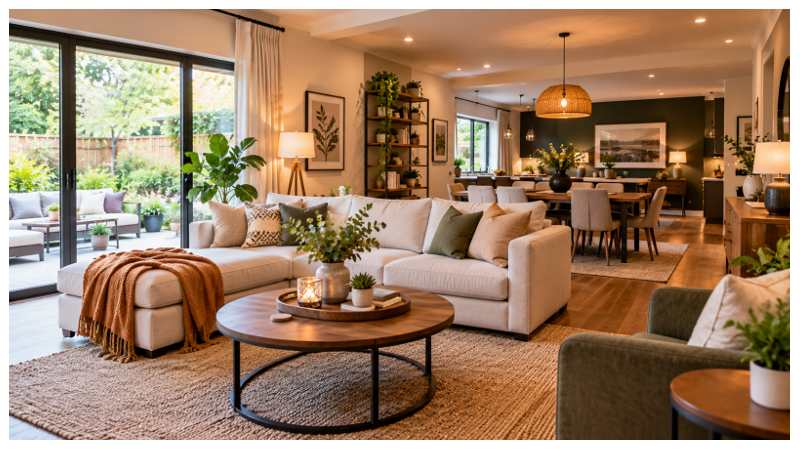
Refresh the Living Room
You can often change the feeling of a living room without purchasing a new sofa or replacing the entire furniture collection.
Begin by experimenting with the layout. Turn seating toward a natural focal point, create a more conversational arrangement, or separate a large room into smaller functional zones.
Next, review textiles and accessories. A new cushion combination, rug, throw, curtain treatment, or artwork arrangement can introduce a different visual direction.
Remove items that no longer serve a purpose. Sometimes reducing accessories makes a room feel more sophisticated than adding additional decoration.
Create a Cozy Bedroom
A bedroom should encourage rest and comfort. Too many competing colors, patterns, and decorative objects can make the room feel busy.
Choose bedding that combines comfortable materials with a restrained color scheme. Layering different fabrics can add depth without requiring bold patterns.
Use bedside lighting to create a softer evening atmosphere. Keep nightstands organized and reserve visible space for only the things you use regularly.
Curtains and rugs can also influence the sense of warmth. Select textures that complement the rest of the room rather than introducing another unrelated style.
Style the Dining Area
The dining space should be comfortable enough for everyday meals but attractive enough for gatherings.
Choose a table that leaves sufficient room around it. Chairs should be easy to pull out without hitting walls, cabinets, or nearby furniture.
A centerpiece can provide a visual anchor. Keep it low enough that people can see across the table comfortably.
Lighting above the dining table can make the area feel more defined, especially in an open-plan home. A well-positioned fixture can visually separate dining from nearby living or kitchen areas.
Improve Small Spaces
Small rooms benefit from careful editing. Avoid filling the floor with furniture simply because there is space available.
Look for pieces that provide multiple functions. Storage benches, nesting tables, wall shelves, and furniture with hidden compartments can make compact rooms easier to organize.
Use vertical surfaces for storage and display. This keeps valuable floor space available for movement.
Mirrors can also be useful when positioned where they reflect natural or artificial light. Keep decorative accessories selective so the room maintains a sense of openness.
3. Smart Wall and Ceiling Decoration Ideas
Walls and ceilings can dramatically influence the identity of a room. They also provide opportunities for decoration without reducing floor space.
Choose the Right Wall Colors
Think beyond whether you simply like a particular color. Ask how it will interact with the room’s furniture, flooring, natural light, and lighting fixtures.
Soft shades can create an understated background, while richer colors can give a room greater depth and character.
An accent wall can be effective when it emphasizes a natural feature, such as a fireplace, bed wall, dining area, or architectural detail.
Avoid selecting colors only from online photographs. Lighting conditions vary considerably between homes, so test the color within your own space.
Add Decorative Wall Features
A blank wall can become an important part of the room through artwork, photographs, mirrors, shelving, paneling, or other decorative treatments.
When creating a collection, look for a connection between the pieces. Similar frames, colors, themes, or materials can make different objects feel like one composition.
Large artwork can create a strong focal point, while smaller pieces can be arranged as a gallery.
Do not feel pressure to decorate every wall. Some empty surfaces provide valuable visual rest.
Create an Attractive Ceiling Design
The ceiling is frequently overlooked during decorating, despite its ability to change the atmosphere of a room.
A clean finish, subtle molding, an attractive pendant, or carefully planned recessed lighting can make the ceiling feel more intentional.
If the room has limited height, keep the design visually light. In larger rooms, architectural details can provide additional character.
A ceiling feature should support the rest of the interior rather than compete with furniture, artwork, or other focal points.
Give Interior Doors More Character
Doors can become useful decorative features with relatively simple changes.
New handles, a fresh finish, or an appropriate paint color can make an ordinary door feel more considered.
A contrasting door can add personality to a neutral interior, while matching doors and trim can create a quieter, continuous appearance.
Choose the approach according to the overall character of your home.
4. Furniture and Décor Styling Tips
Furniture determines how a room functions, while accessories help establish its personality. Both need to be considered together.
Select Furniture That Fits
Measurements should come before shopping. Measure the room as well as entrances, hallways, staircases, and other routes through which furniture must pass.
Consider visual scale as well. A bulky sofa may technically fit into a room but still overwhelm it.
Likewise, several tiny furniture pieces can make a large room feel scattered. Aim for proportions that relate naturally to the available space.
Choose pieces according to real usage. A decorative chair that nobody can comfortably sit in adds little value to a busy household.
Mix Textures and Materials
Texture gives a room depth. If every surface is smooth and similar, the interior can appear flat.
Combine materials such as wood, metal, glass, woven fibers, stone, cotton, linen, or upholstery.
A wooden table might be balanced by a soft rug, woven basket, fabric seating, and a metal light fixture.
Repeat selected materials in different areas so the combination feels intentional rather than random.
Add Decorative Accessories
Accessories should contribute something to the room, whether that is color, texture, personality, memory, or visual balance.
Use books, artwork, vases, photographs, bowls, plants, and meaningful objects to build character.
Vary the height and shape of objects when styling shelves or tables. A group of similarly sized items can appear flat, while varied proportions create greater interest.
Most importantly, leave room around collections. Objects need breathing space to remain visually clear.
5. Make Storage Part of the Decoration
Storage can be attractive when it is planned as part of the overall design rather than added as an afterthought.
Use Open Shelving Carefully
Open shelving can display books, plants, photographs, artwork, and decorative pieces while keeping frequently used items accessible.
Avoid filling every shelf completely. Empty sections make the arrangement feel lighter.
Combine decorative objects with practical belongings, but maintain a clear visual structure.
Choose Attractive Closed Storage
Closed cabinets and storage furniture are useful for items that do not need to remain visible.
Baskets, storage benches, cupboards, and decorative boxes can help control everyday clutter.
Choose finishes that coordinate with existing furniture so storage feels like part of the room rather than a separate addition.
6. Lighting and Atmosphere Ideas
Lighting can change the appearance of colors, textures, furniture, and architectural features. It should therefore be considered an important part of decoration rather than an afterthought.
Layer Different Types of Lighting
Use several lighting levels where possible.
General lighting provides overall visibility. Task lighting supports specific activities, while accent lighting draws attention to selected features.
A combination of ceiling fixtures, floor lamps, table lamps, wall lights, and accent sources can provide much more flexibility than a single overhead fixture.
Choose Stylish Light Fixtures
A light fixture can act as a decorative centerpiece.
Consider its size in relation to the room and nearby furniture. A large fixture may work beautifully over a dining table but feel excessive in a narrow hallway.
The finish should also relate to other materials in the room.
Create a Warm Ambiance
Bright illumination is useful for certain tasks, but softer lighting can make evenings feel more relaxing.
Place lamps near sofas, reading chairs, bedside tables, and dark corners.
If possible, use adjustable brightness so the same room can support different activities without requiring different fixtures.
Highlight Architectural Details
Accent lighting can reveal features that might otherwise disappear after sunset.
Use it to emphasize artwork, textured surfaces, shelves, fireplaces, plants, or interesting architectural elements.
Keep the effect selective. The goal is to create focal points, not illuminate every object equally.
7. Budget-Friendly Decoration Tips
Creating a beautiful home does not require a large decorating budget. Thoughtful editing and creative reuse can produce significant improvements.
Refresh Existing Furniture
Before replacing a piece, consider whether its appearance can be improved.
Furniture may benefit from cleaning, refinishing, repainting, new handles, or updated upholstery.
Moving a piece into another room can also give it a completely different role.
Try Simple DIY Décor
DIY projects can add individuality without requiring expensive materials.
Consider simple artwork, painted frames, basic shelving, decorative organizers, or textile updates.
Choose projects that match your skill level. Good preparation and careful finishing can make even a simple DIY improvement look polished.
Repurpose Everyday Items
Look at unused household objects with a practical eye.
Suitable containers can become storage, old frames can become display pieces, and sturdy baskets can organize blankets or magazines.
Repurposing should solve a problem or improve the room. Avoid turning unused objects into decoration simply because they are available.
8. Home Exterior Decoration Ideas
The exterior deserves the same design attention as the interior. It creates the first impression and can also make outdoor areas more enjoyable.
Improve the Front Entrance
Keep the entrance clean and visually organized before adding decorative elements.
A refreshed door finish, suitable house numbers, a simple mat, attractive planters, or well-positioned lighting can make the doorway feel more welcoming.
Avoid blocking the entrance with too many decorative objects.
Add Attractive Outdoor Details
Outdoor accessories should be selected with weather resistance in mind.
Planters, furniture, lighting, and decorative features need to cope with conditions such as sunlight, rain, humidity, and changing temperatures.
Choose a small number of coordinated pieces instead of filling every outdoor surface.
Create Better Curb Appeal
Curb appeal is the result of many details working together.
Keep pathways maintained, remove unnecessary clutter, trim plants, clean visible surfaces, and make the entrance easy to notice.
Once the basics are handled, decorative additions can have a much stronger effect.
9. Patio and Outdoor Decoration Tips
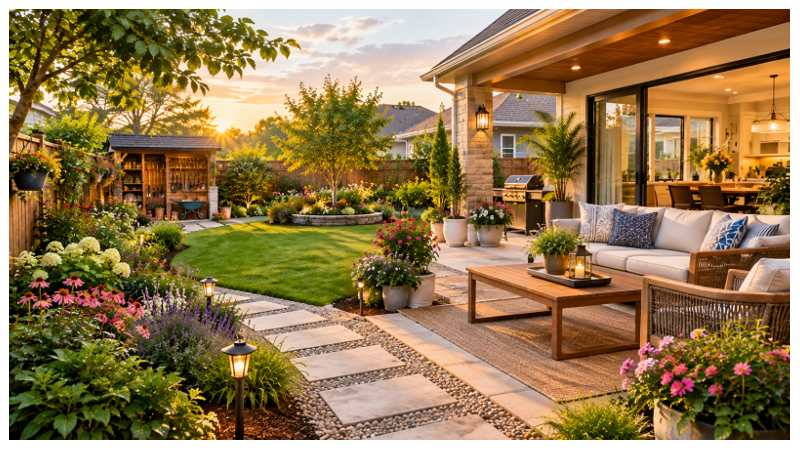
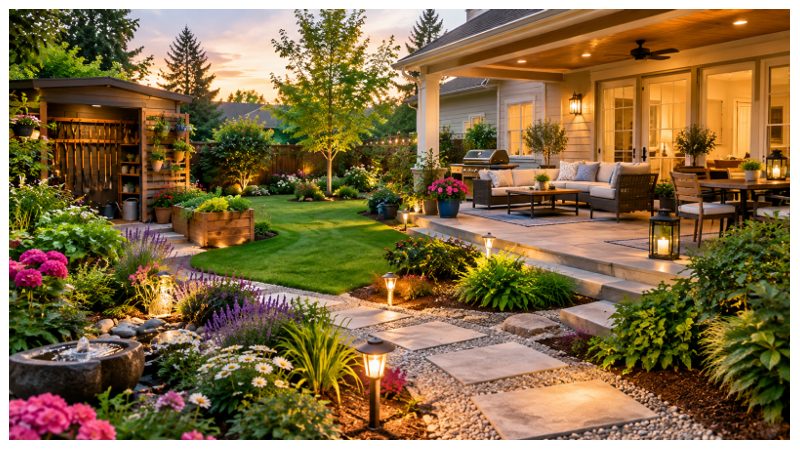
A patio can be transformed into an outdoor living zone with thoughtful furniture and decoration.
Style Your Patio
Decide what you want the patio to accomplish before choosing furniture.
A dining area requires a different arrangement from a quiet reading corner or entertainment space.
Use rugs, planters, furniture placement, and lighting to visually define different areas when the patio is large enough.
Add Comfortable Outdoor Seating
Outdoor seating should be attractive but also genuinely usable.
Select furniture that provides appropriate support and fits the available area without making movement difficult.
Weather-resistant cushions and textiles can introduce additional comfort and color.
Leave enough space between seating and tables so people can move around naturally.
Decorate With Plants and Containers
Plants soften patios and help connect hard surfaces with surrounding landscaping.
Use larger containers to anchor corners and smaller pots to decorate tables, steps, or edges.
Choose plants according to the amount of sunlight and maintenance the location can provide.
10. Seasonal Decoration Ideas
Seasonal decorating allows your home to evolve throughout the year without requiring a permanent redesign.
Refresh Your Home for Each Season
Change smaller elements rather than replacing major furniture.
Cushions, throws, flowers, table settings, curtains, and accessories can introduce a different seasonal mood.
Keep larger pieces relatively timeless so they remain useful throughout the year.
Use Simple Seasonal Accents
A small number of carefully selected accents can be enough.
Natural branches, flowers, seasonal colors, textured fabrics, or simple tabletop arrangements can change the atmosphere without creating clutter.
Coordinate seasonal additions with the colors already present in the room.
Keep Décor Easy to Change
Store seasonal pieces together and label containers clearly.
Choose accessories that can work in several rooms. This allows you to create different arrangements without purchasing large collections.
A smaller collection of versatile pieces is often more practical than a large amount of single-purpose decoration.
11. Decoration Ideas for Different Home Sizes
The best decorating decisions depend partly on the scale of your home.
Make a Small Home Feel Open
Keep furniture purposeful and pathways clear.
Use multifunctional pieces wherever practical and take advantage of vertical surfaces for storage.
Avoid filling every wall and floor area. Visual breathing room can make a compact home feel more comfortable.
Add Character to Large Rooms
Large spaces often need stronger zoning.
Create separate areas for conversation, dining, reading, working, or relaxing.
Rugs, lighting, furniture groupings, and artwork can help define these areas without requiring permanent walls.
12. Common Decorating Mistakes to Avoid
Understanding common problems can save time and money.
Avoid Too Much Clutter
An attractive object can lose its impact when surrounded by too many other objects.
Regularly review shelves, tables, counters, and display areas.
Keep items that are useful or meaningful and find appropriate storage for everything else.
Do Not Ignore Room Proportions
A room should determine the scale of its furniture rather than the other way around.
Measure carefully before buying major pieces.
Consider both physical dimensions and visual weight when deciding whether something belongs in the room.
Maintain a Consistent Style
Different rooms can have different personalities, but repeated details help the home feel connected.
Repeat a few colors, materials, finishes, or design shapes throughout the property.
This creates consistency without making the entire home look copied from one room to another.
Avoid Decorating Only for Trends
Trends can be useful sources of inspiration, but they should not dictate every purchase.
Choose permanent furniture and expensive finishes based on what you genuinely like and what will remain practical.
Use smaller accessories for trend-driven changes. They are easier and less expensive to replace when your preferences change.
13. Final Decoration Tips Decoradhouse From Decoratoradvice
A successful home is not defined by how much decoration it contains. It is defined by how naturally the design supports everyday life.
Make Your Home Feel Personal
Personal details give a home its identity.
Display photographs, artwork, books, handmade objects, travel memories, or other items that have meaning to you.
Do not worry about creating an interior where everything matches perfectly. A few unexpected elements can make the space feel more genuine.
Create a Comfortable and Beautiful Space
Begin with function. Make sure furniture is comfortable, storage is practical, lighting works for different activities, and pathways remain easy to use.
Then build the visual character gradually through color, texture, artwork, plants, accessories, and carefully selected furniture.
The most effective decorating projects rarely happen through one enormous change. They develop through a series of thoughtful decisions.
Whether you are refreshing one room, improving your entrance, styling a patio, or simply rearranging furniture, the key is to choose changes that genuinely improve the way you use your home.
These Decoration Tips Decoradhouse From Decoratoradvice can be adapted to different budgets, room sizes, architectural styles, and lifestyles. Start with what matters most, make improvements at a comfortable pace, and allow your home to develop its own character.