Renovating a home does not always mean tearing everything out and starting again. With thoughtful planning, practical choices, and a clear vision, even small improvements can make your home feel fresher, more comfortable, and more functional. Renovation Tips DecoradHouse focuses on easy upgrade ideas that can help you improve your space without unnecessary expense or complicated changes.
Whether you are updating a single room, refreshing your exterior, or giving your garden and patio a new look, the best approach is to work step by step. Consider what your home needs, establish a realistic budget, and choose improvements that provide lasting value.
1. Simple Renovation Tips for Your Home
Before picking paint colors, furniture, or fixtures, take some time to understand your home’s current condition. Look at areas that feel outdated, difficult to use, poorly organized, or simply no longer match your lifestyle.
A successful renovation combines appearance with function. A beautiful room is useful, but a beautiful room that is comfortable and practical is even better. Start with the improvements that will make the biggest difference to your everyday life.
Plan Your Renovation
Good planning can prevent unnecessary spending and disappointing results. Begin by making a list of the areas you want to improve. Separate essential repairs from purely decorative changes so you know where your money should go first.
Measure rooms before purchasing furniture, flooring, cabinets, or other large items. Think about how people move through each space and whether the proposed changes will make that movement easier.
Planning each renovation stage in advance helps keep the entire project moving smoothly. Some projects can be completed in a weekend, while others may require several stages. Planning the order of work can prevent you from damaging newly finished areas while completing another task.
For electrical, structural, plumbing, or other specialized work, consider using a qualified professional rather than attempting complicated work without the appropriate knowledge.
Set a Practical Budget
A realistic budget gives your renovation direction. Start by estimating the cost of materials, tools, furniture, fixtures, and professional services where needed.
Do not spend your entire budget on the first part of the project. Keeping some money aside for unexpected repairs or price changes can make the renovation less stressful.
You can also divide your budget into categories such as essential repairs, room improvements, décor, and outdoor projects. This makes it easier to decide where to save and where spending more may be worthwhile.
Affordable materials can work beautifully when selected carefully. However, extremely cheap products may not always provide good long-term value. Compare quality, durability, and maintenance requirements before making a purchase.
Choose the Right Priorities
Not every renovation idea needs to happen immediately. Focus first on problems that affect safety, comfort, function, or the condition of your home.
For example, repairing damaged surfaces, improving poor lighting, fixing storage problems, or addressing worn fixtures may be more valuable than adding decorative accessories.
Once essential improvements are complete, you can move toward visual upgrades. This approach helps you create a home that looks better while also functioning better.
A useful question to ask is: Will this change make my home easier, more comfortable, or more enjoyable to use? If the answer is yes, it may deserve a place near the top of your renovation list.
2. Renovation Tips DecoradHouse for Every Room
Every room has different requirements, so renovation plans should be tailored to how each space is used. Instead of applying the same design approach throughout your home, consider the purpose and personality of each room.
Refresh the Living Room
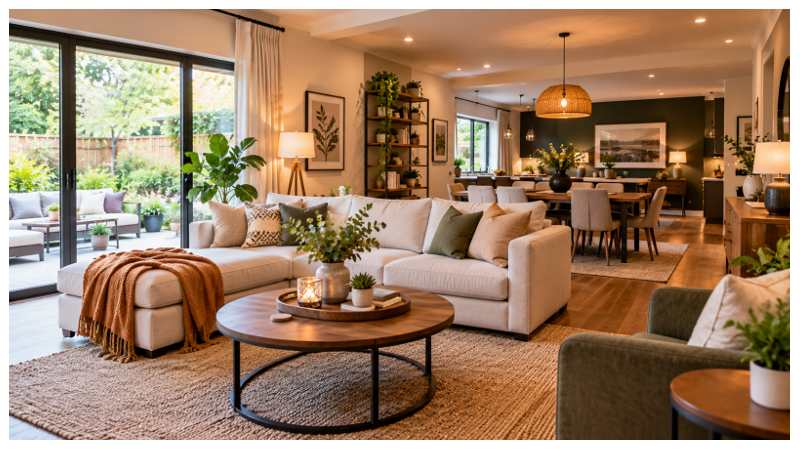
The living room is often one of the busiest areas in a home, making it an excellent place to begin. Start by reconsidering the furniture arrangement. Create enough space for people to move comfortably and arrange seating so conversation feels natural.
A new rug, cushions, curtains, artwork, or accent chair can change the appearance of the room without replacing everything. If the walls look tired, a fresh coat of paint can provide an immediate visual refresh.
Lighting also plays an important role. Combine ceiling fixtures with table or floor lamps to create a more flexible atmosphere. Plants can add natural texture and make the room feel more welcoming.
Keep clutter under control by using baskets, cabinets, shelving, or storage furniture that complements the décor.
Update the Bedroom
The bedroom should feel peaceful and comfortable. Begin by considering the bed position, available storage, lighting, and overall color scheme.
Fresh bedding can make a noticeable difference. Soft curtains, a simple rug, decorative cushions, and a carefully selected piece of artwork can add warmth without overcrowding the room.
Bedside lighting should provide enough illumination for reading while remaining comfortable in the evening. If storage is limited, consider under-bed containers, wall shelves, or furniture with built-in storage.
Choose colors and textures that encourage relaxation. A calm bedroom does not need to be plain; thoughtful details can create personality while maintaining a restful atmosphere.
Improve the Kitchen
Kitchen renovations can become expensive, but smaller updates can still create impressive results. Begin by examining the cabinet doors, handles, lighting, backsplash, and storage arrangement.
Replacing outdated handles can give cabinets a refreshed appearance. Where appropriate, repainting cabinet surfaces can also create a new look without replacing the entire kitchen.
Improve organization by grouping frequently used items together. Drawer organizers, shelf dividers, and dedicated storage containers can make everyday cooking easier.
Good lighting is especially important in the kitchen. Add focused lighting beneath cabinets or above work areas where practical. Keep countertops as clear as possible to create a cleaner and more spacious appearance.
Modernize the Bathroom
A bathroom can feel newer with relatively simple improvements. Updated taps, cabinet handles, mirrors, lighting, shower accessories, and storage solutions can make a noticeable difference.
A large mirror can help a compact bathroom appear more open, while suitable lighting can improve both functionality and atmosphere.
Keep everyday products organized instead of allowing them to cover every surface. Wall-mounted storage, baskets, shelves, and drawer organizers can help maintain a cleaner appearance.
If flooring or tiles are damaged, address those problems before focusing on decorative upgrades. A fresh, well-maintained foundation makes every later improvement look better.
3. Budget-Friendly Renovation Ideas
Renovation does not have to mean spending a fortune. Some of the most effective improvements involve changing surfaces, details, organization, and presentation rather than replacing major structures.
Refresh Walls and Floors
Walls have a major influence on how a room looks. A fresh paint color can completely change the atmosphere and provide a clean background for furniture and artwork.
You do not necessarily need to repaint every wall. An accent wall can introduce color while keeping the rest of the room simple.
For floors, begin with thorough cleaning and maintenance. Rugs can cover worn areas while adding warmth and visual interest. If flooring requires replacement, compare different materials based on durability, maintenance, appearance, and budget.
The best choice depends on how the room is used. High-traffic areas may require more durable materials than quieter spaces.
Update Fixtures and Hardware
Small hardware details can have a surprisingly large effect. Cabinet knobs, drawer pulls, door handles, taps, light fixtures, and other visible details can make older rooms feel more current.
Try to create consistency. Matching or complementary finishes throughout a room can produce a more polished appearance.
Before replacing fixtures, check measurements and compatibility. A beautiful new item will not be useful if it does not fit the existing installation.
This type of upgrade is particularly useful when the basic structure of the room is still in good condition.
Reuse and Repurpose Furniture
Replacing every piece of furniture can quickly increase renovation costs. Instead, consider whether existing items can be refreshed or repurposed.
An old wooden table might look completely different after sanding and refinishing. A dated cabinet can potentially become useful storage in another room. Shelving can also be rearranged to serve a new purpose.
Before discarding furniture, think about its structure and potential. Sometimes a new finish, different hardware, or a fresh arrangement can give an old piece another life.
4. Smart Home Improvements
Modern renovations should make daily routines easier as well as improve appearance. Simple smart home improvements can increase convenience without turning your home into an overly complicated technology hub.
Improve Lighting
A thoughtful lighting plan can completely reshape the mood and functionality of a room. Use different types of lighting for different purposes instead of depending on a single overhead fixture.
Task lighting is useful for desks, kitchen counters, reading areas, and mirrors. Ambient lighting provides general illumination, while accent lighting can highlight artwork, shelves, plants, or architectural features.
Smart bulbs and compatible lighting controls can provide additional convenience by allowing you to adjust settings more easily. Choose technology that is genuinely useful rather than adding devices simply because they are fashionable.
Add Better Storage
Good storage can make a renovated home feel cleaner every day. Look for unused areas that could provide additional organization, such as empty wall space, corners, under-bed areas, or spaces above cabinets.
Floating shelves can display decorative objects while providing practical storage. Baskets and boxes can hide smaller items, while built-in or modular storage can make better use of awkward spaces.
Keep frequently used items easy to access and less frequently used belongings in more hidden storage areas.
Upgrade Everyday Features
Some of the most valuable improvements are features you interact with every day. Consider upgrading worn faucets, door hardware, switches, organizers, seating, or other frequently used elements.
Smart plugs, convenient charging stations, improved thermostatic controls, and automated lighting can also support daily routines when they suit your needs.
Think beyond appearance. A renovation becomes more worthwhile when it removes small frustrations from everyday life.
5. Exterior Renovation Tips
The outside of your home deserves the same attention as the interior. A clean, maintained exterior can improve curb appeal and create a stronger connection between your home and garden.
Refresh the Front Entrance
The entrance is one of the first things visitors notice. Keep the doorway clean, organized, and visually balanced.
A refreshed front door, attractive house number, suitable doormat, planter, or outdoor light can make the entrance more welcoming.
Avoid overcrowding the area. A few carefully chosen features can look more sophisticated than numerous decorative objects.
Improve Curb Appeal
Curb appeal can often be improved through maintenance rather than expensive construction. Clean pathways, trim overgrown plants, remove unnecessary clutter, and keep exterior surfaces in good condition.
If the exterior color looks dated, repainting selected elements such as the front door, shutters, or trim may provide a noticeable improvement.
Landscaping should complement the home rather than compete with it. Choose plants and decorative features that suit the property’s size and existing architectural style.
Update Outdoor Areas
Outdoor areas can become valuable extensions of your living space. Comfortable seating, suitable tables, planters, and simple decorative details can make a yard more useful.
If you have a small outdoor area, choose compact furniture and vertical planting solutions. Larger spaces can be divided into separate zones for dining, relaxing, gardening, or entertaining.
Always consider weather conditions when choosing outdoor materials. Durable products can reduce maintenance and help your improvements last longer.
6. Garden and Patio Renovation Ideas
A garden or patio can add beauty and functionality to your property. Renovating these spaces does not necessarily require major landscaping work.
Create a Functional Garden
Begin by deciding how you want to use the garden. You might want space for plants, outdoor dining, children’s activities, relaxation, or a combination of these.
Use planters, raised beds, pathways, and defined planting areas to create structure. Select plants according to sunlight, soil, climate, and maintenance needs.
Keep pathways clear and provide enough room around seating areas. A garden should be attractive while remaining easy to maintain.
Refresh Your Patio
A patio can become a comfortable outdoor retreat with a few targeted improvements. Start by cleaning the surface and repairing visible damage where necessary.
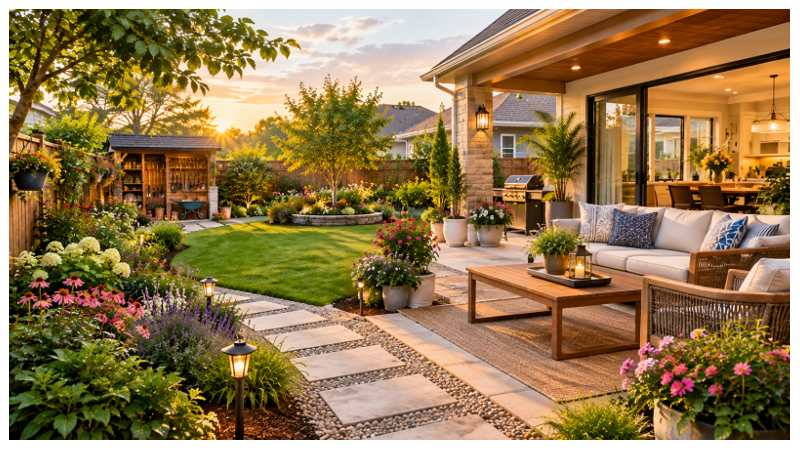
Add weather-appropriate seating, cushions, planters, an outdoor rug, or a small table to create a more finished appearance.
Arrange furniture according to how you plan to use the space. A conversation area works well for socializing, while a dining arrangement may be more suitable for outdoor meals.
Add Outdoor Lighting
Outdoor lighting can improve evening usability while adding atmosphere. Path lighting can help define walkways, while entrance lights can improve visibility around doors.
Decorative lighting can highlight plants, walls, seating areas, or other garden features. Solar lighting can be a convenient option in suitable locations.
Avoid excessive brightness. Subtle lighting often creates a more comfortable and attractive outdoor environment.
7. Common Renovation Mistakes to Avoid
Even a small renovation can become frustrating without proper planning. Avoiding common mistakes can help protect your time, money, and effort.
Avoid Poor Planning
Starting work before deciding what you want can lead to unnecessary purchases and inconsistent results. Make a basic plan before beginning.
Measure carefully, research materials, and think about the order of tasks. A few hours of planning can prevent significant problems later.
Do Not Overspend
It is easy to become distracted by attractive products during a renovation. Keep your original priorities and budget in mind.
Spend more where durability, safety, or long-term performance matters. Save money on purely decorative features that can be changed later.
Always leave some room in your budget for unexpected expenses.
Focus on Quality
Quality does not always mean choosing the most expensive option. Instead, look for products and materials that offer dependable performance for their price.
Consider durability, maintenance, installation requirements, and suitability for your home before making decisions.
A smaller number of well-chosen improvements will usually create a better result than filling your home with low-quality items.
8. Final Thoughts on Renovation Tips DecoradHouse
Renovating your home can be an exciting opportunity to improve both its appearance and everyday functionality. The process becomes easier when you focus on clear priorities, realistic spending, and changes that genuinely benefit your lifestyle.
Make Practical Improvements
Start with the areas that create daily problems. Better storage, improved lighting, updated fixtures, comfortable furniture, and organized outdoor spaces can all contribute to a more enjoyable home.
You do not have to complete every project at once. Gradual improvements allow you to learn what works best for your space while keeping costs manageable.
Create a Home You Love
Your home should reflect the way you live rather than simply follow the latest design trend. Choose colors, furniture, materials, and décor that feel right for your personality and routines.