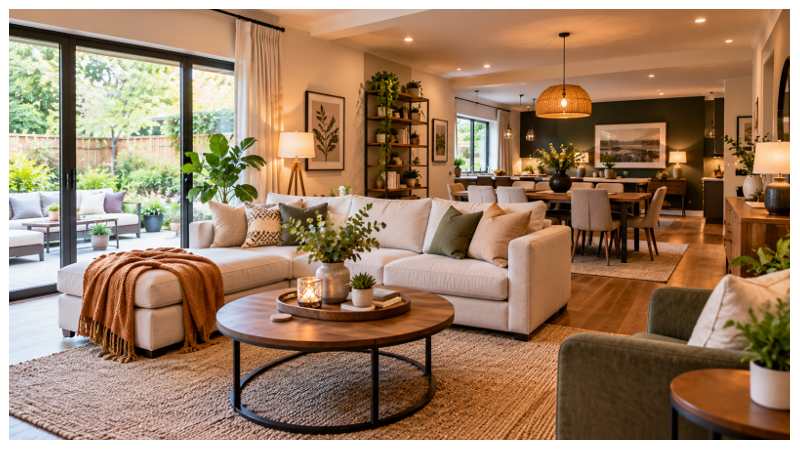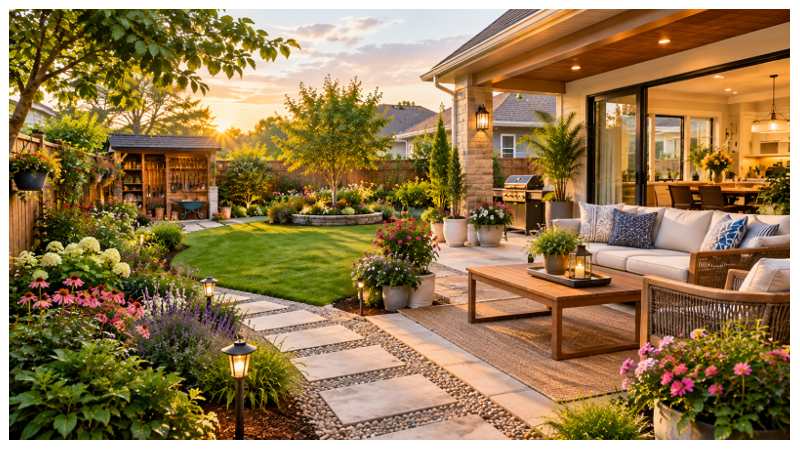
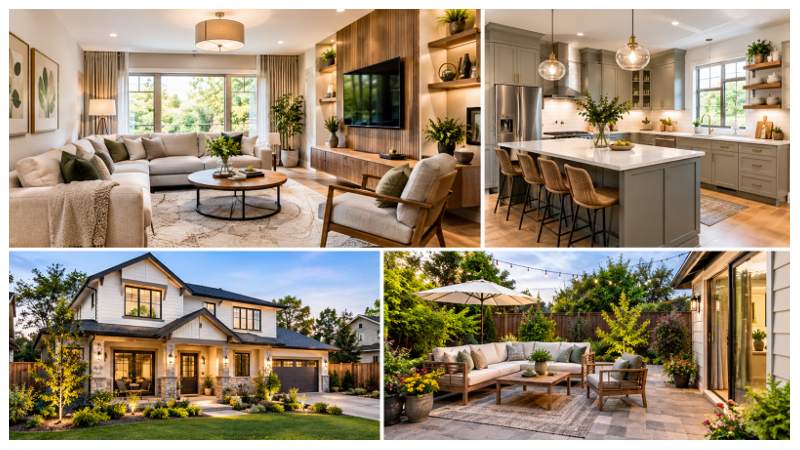
Renovating a home is an opportunity to make everyday living more comfortable, improve the appearance of different spaces, and solve problems that may have developed over time. Whether you want to refresh a single room or make improvements throughout your property, thoughtful preparation can help you achieve better results without unnecessary expenses. The most successful projects combine attractive design with practical decisions, durable materials, and realistic planning.
Decoradhouse Renovation Tips From Decoratoradvice offers useful guidance for homeowners who want to improve their interiors, kitchens, bathrooms, outdoor spaces, and home exteriors. From setting a manageable budget to choosing suitable finishes, each decision contributes to a renovation that feels cohesive and functions well for years. With the right approach, even modest changes can make a noticeable difference.
1. Understanding the Basics of Home Renovation
Before purchasing materials or removing old fixtures, take time to understand your home’s current condition. A renovation should address genuine needs rather than focus entirely on appearances. Start with a clear picture of what requires attention, what you hope to achieve, and how much disruption your household can manage.
Identify Areas That Need Improvement
Walk through every room and examine its condition carefully. Look for peeling paint, damaged flooring, leaking taps, poor ventilation, outdated lighting, and storage problems. Outside, inspect pathways, fences, exterior finishes, drainage, and patio surfaces. Separate essential repairs from improvements that are mainly decorative.
This assessment helps you prioritize spending. A persistent leak, for example, should be resolved before installing expensive new cabinets. Similarly, repairing a damaged window may be more important than replacing perfectly functional furniture.
Set Clear Renovation Goals
Determine the specific improvements you want your home renovation project to deliver. You might need a more practical kitchen, a peaceful bedroom, a brighter living room, or an outdoor area suitable for entertaining. Clear objectives prevent you from spending money on changes that do not support your actual needs.
Consider who uses each space and how their routines may change. Families may benefit from durable surfaces and additional storage, while smaller households might prefer open layouts and flexible furniture. Establishing priorities early makes design decisions easier.
Plan Your Project Step by Step
Divide the renovation into manageable stages. Begin with inspections and essential repairs, followed by structural or electrical work, surface preparation, installations, painting, and final decoration. Projects involving plumbing, wiring, or major construction generally require specialist assessment before cosmetic work begins.
A written plan also helps you identify which rooms must remain usable during construction. If your kitchen is being renovated, arrange a temporary food-preparation area. Preparing for inconvenience makes the process more manageable.
2. Decoradhouse Renovation Tips for Budget Planning
An impressive home transformation depends on smart decisions and thoughtful planning, not simply on spending more money. Careful financial planning helps you focus on worthwhile improvements while avoiding rushed purchases and unnecessary design changes.
Create a Realistic Renovation Budget
List the expected costs for labour, materials, tools, deliveries, waste removal, permits, and finishing touches. Obtain several quotations where practical, and compare what each contractor includes rather than choosing solely by the lowest price.
Divide your budget into essential repairs, functional improvements, and optional upgrades. Fund the essentials first. Set aside an additional contingency amount—often around 10–20% of the estimated project cost, depending on the home’s condition and project complexity—to cover unforeseen problems.
Compare Material Prices and Quality
Do not judge materials by price alone. Two flooring products may look similar but differ considerably in durability, maintenance requirements, and installation costs. Check specifications, warranties, cleaning instructions, and suitability for the room where each product will be used.
Request samples before making major purchases. View them under your home’s lighting and alongside existing finishes. This simple step can prevent expensive mismatches and help you select materials that complement one another.
Keep Extra Funds for Unexpected Costs
Older homes may conceal problems behind walls, beneath floors, or around plumbing fixtures. Once work begins, contractors may discover moisture damage, outdated wiring, or deteriorated surfaces that require attention.
Keep contingency funds separate from your planned spending. If unexpected repairs arise, review the options with a qualified professional and adjust nonessential upgrades rather than compromising on important repairs. A flexible budget helps protect both safety and project quality.
3. Room-by-Room Renovation Ideas
Renovating one room at a time can make a large project easier to control. Each space has different requirements, so choose improvements that respond to its purpose instead of applying the same design everywhere.
Transform Your Living Room
Make the living room more inviting by improving furniture placement, refreshing wall colours, and reducing unnecessary clutter. Arrange seating to encourage conversation while preserving comfortable walking routes. If the room feels cramped, consider furniture with slimmer profiles or built-in storage.
A new rug, updated curtains, decorative cushions, and carefully selected artwork can create a fresh appearance without a complete renovation. Where the layout allows, use layered lighting to support reading, relaxing, and entertaining. Keep the colour palette coordinated so the room feels balanced rather than overcrowded.
Refresh Your Bedroom
A bedroom should support rest while reflecting your personal style. Begin by assessing the bed’s position, available storage, window coverings, and lighting. Soft neutral colours can create a calm atmosphere, while muted blues, greens, or warm earthy shades add character without overwhelming the space.
Replace worn hardware, repair damaged walls, and choose bedding that works with the room’s finishes. Bedside lamps and concealed storage can improve everyday convenience. Avoid filling the room with too many decorative items, especially when space is limited.
Modernize Your Kitchen
A kitchen renovation should improve movement, preparation, storage, and cleaning. Examine how you move between the refrigerator, sink, and cooking area. If replacing the entire kitchen is outside your budget, repainting suitable cabinets, updating handles, improving task lighting, or installing a new backsplash may deliver a meaningful change.
Use accessible storage for frequently used utensils and keep work surfaces as clear as possible. Before moving appliances or plumbing, confirm that the new arrangement is practical and that any required electrical or plumbing work can be completed safely.
Improve Bathroom Comfort and Functionality
Bathrooms benefit from good ventilation, reliable fittings, easy-to-clean surfaces, and thoughtful storage. Repair dripping taps, damaged grout, and signs of moisture before focusing on decoration. A modern mirror, updated cabinet handles, fresh paint suitable for humid environments, and improved lighting can make the room feel cleaner and brighter.
Choose slip-resistant flooring appropriate for wet areas. Make sure showers, baths, and other fixtures are correctly sealed and installed. Persistent dampness should be investigated rather than hidden beneath new paint or tiles.
4. Smart Interior Renovation Tips
Interior upgrades can dramatically change how a home looks and feels. The best improvements create visual consistency while making the property easier to maintain.
Update Walls, Paint, and Finishes
Fresh paint is one of the simplest ways to refresh a room. Repair cracks, remove loose paint, and prepare surfaces properly before applying a suitable primer and finish. Light colours can make small rooms feel more open, while a carefully chosen darker shade may add depth to a feature wall.
Think about how adjoining rooms relate to each other. You do not need identical colours throughout the house, but repeating a few complementary tones can create a more connected appearance. Select washable finishes in areas that experience frequent contact.
Improve Flooring and Surface Materials
Flooring influences comfort, appearance, and maintenance. Consider moisture, foot traffic, pets, and cleaning requirements before selecting a product. Water-resistant materials may be more suitable for certain kitchens and bathrooms, while living areas may benefit from timber, engineered wood, tile, or other flooring designed for their conditions.
Check that the underlying surface is stable and level before installation. Poor preparation can cause uneven finishes, loose tiles, or premature wear. Transitions between different flooring types should also be planned to avoid awkward edges and tripping hazards.
Upgrade Doors, Windows, and Fixtures
Replacing worn handles, damaged hinges, outdated taps, or tired light fittings can make a room feel more current. Where appropriate, repair existing doors and frames instead of replacing everything. Fresh paint and coordinated hardware may be enough to achieve the desired result.
Windows deserve particular attention because they affect daylight, ventilation, comfort, and energy use. Repair damaged seals and check for drafts or condensation. When replacing fixtures, verify dimensions and compatibility before ordering.
5. Lighting and Electrical Improvements
Lighting affects the atmosphere and functionality of every room. A well-designed arrangement combines daylight, general illumination, and focused lighting for specific tasks.
Make Better Use of Natural Light
Keep windows clean and avoid placing bulky furniture where it blocks daylight. Light-coloured curtains, reflective surfaces, and thoughtfully positioned mirrors can help distribute natural light throughout a room.
If a space remains dark, consider whether the problem comes from the layout, heavy window coverings, or inadequate artificial lighting. Structural changes to windows or walls require appropriate planning and professional advice.
Install Practical Indoor Lighting
Use different lighting types for different activities. Ceiling fixtures provide general illumination, while table lamps, wall lights, and under-cabinet lighting can support reading, cooking, or detailed tasks. Dimmers can make certain spaces more adaptable, provided the controls and bulbs are compatible.
Choose colour temperatures that suit each room. Warmer light often creates a relaxed atmosphere in bedrooms and living areas, whereas more neutral lighting can be useful in workspaces and kitchens. Ensure that bathrooms and other damp locations use fittings with suitable ratings.
Plan Electrical Upgrades Safely
Electrical work should be assessed and completed by a qualified electrician where required. Discuss appliance requirements, outlet placement, lighting controls, and any plans for additional equipment before walls are closed or finishes are installed.
Never overload circuits or attempt unfamiliar wiring work simply to reduce costs. Confirm that the electrical system can safely support new appliances and fixtures. Proper planning is easier and often less disruptive than correcting problems after the renovation is finished.
6. Kitchen and Bathroom Renovation Tips
Kitchens and bathrooms are used frequently, so their materials and layouts must withstand regular moisture, cleaning, and daily activity. Practical choices usually provide better long-term value than purely decorative upgrades.
Improve Kitchen Storage and Counter Space
Make use of vertical space with suitable shelving, tall cabinets, and organized drawers. Pull-out organizers can improve access to items stored deep inside cupboards. Keep everyday cookware near the areas where it is used, and store occasional appliances elsewhere when possible.
Preserve enough clear counter space for food preparation. Before adding shelves or cabinets, measure the room carefully and consider door swings, appliance clearance, and walking routes. Storage should improve convenience without making the kitchen feel crowded.
Choose Durable Cabinets and Worktops
Cabinets and worktops experience constant use, so consider resistance to moisture, scratches, heat, and stains. The best choice depends on your budget, cooking habits, and maintenance preferences. Compare complete installation costs, including edging, fittings, supports, and finishing.
If existing cabinets remain structurally sound, replacing handles or refreshing their finish may be more economical than installing new units. Check for swelling, loose hinges, or water damage before deciding whether restoration is appropriate.
Refresh Bathroom Tiles and Fittings
Replacing every tile may not be necessary if the existing surfaces are sound. Cleaning grout, repairing damaged joints, replacing worn taps, and updating a mirror can improve the bathroom’s appearance. Any loose tiles or failed waterproofing should be addressed before cosmetic changes.
Choose fittings that are easy to clean and appropriate for the water pressure and plumbing system. Correct installation and sealing are essential because hidden leaks can damage walls, floors, and nearby rooms.
7. Home Exterior Renovation Ideas
The outside of a property creates its first impression and protects the building from weather. Exterior improvements should therefore combine visual appeal with reliable maintenance.
Improve the Front Entrance
A neat entrance can make the entire property feel more welcoming. Repair loose steps, clean the doorway, repaint suitable surfaces, and replace damaged handles or house-number fittings. Good lighting near the entrance also improves visibility after dark.
Keep pathways clear and check that outdoor surfaces drain properly. Decorative pots or a simple seating feature can add personality, provided they do not obstruct access.
Refresh Exterior Walls and Finishes
Inspect exterior walls for cracks, peeling coatings, water stains, and damaged joints. Identify the cause of any deterioration before applying fresh paint. Covering a moisture problem without fixing it may lead to recurring damage.
Select exterior products designed for local weather conditions and the surface being treated. Follow preparation and drying instructions carefully, and seek professional assessment for substantial cracking or other signs of possible structural movement.
Enhance Curb Appeal With Simple Changes
Small improvements can have a strong combined effect. Clean windows, repair fences, tidy pathways, maintain the lawn, and remove clutter from visible outdoor areas. Coordinating exterior colours with doors, trim, and surrounding features can make the property look more considered.
Prioritize maintenance before adding expensive decorative features. A clean, well-kept exterior often looks more attractive than one filled with accessories but affected by neglected repairs.
8. Garden and Patio Renovation Tips
Outdoor spaces can function as additional living areas when they are planned around the available space, climate, and household routines. Even a compact garden or small patio can become more useful with a thoughtful layout.
Redesign Your Outdoor Living Space
Decide how you want to use the area before buying furniture or plants. A patio might serve as a dining space, a quiet reading corner, or a place for entertaining guests. Arrange seating to preserve comfortable movement and leave clear access to doors and pathways.
Consider shade, privacy, drainage, and sun exposure. A simple sketch showing furniture dimensions and planting areas can help you avoid overcrowding the space.
Choose Suitable Patio Flooring
Patio materials should suit outdoor conditions and provide appropriate grip when wet. Compare paving stones, exterior tiles, concrete finishes, and decking based on durability, maintenance, installation requirements, and appearance.
Prepare a stable base and ensure water drains away from the building. Follow the product manufacturer’s guidance, especially for materials that expand, shift, or become slippery in certain conditions. Correct installation is just as important as the surface you choose.
Add Plants and Outdoor Decorations
Use plants to introduce texture, colour, and seasonal interest. Select varieties suited to your climate, sunlight, soil, and available time for maintenance. Containers are useful for smaller patios because they can be moved or rearranged as needed.
Outdoor cushions, lantern-style lighting, weather-resistant rugs, and understated accessories can make the space feel complete. Avoid buying more decorations than the area can comfortably accommodate, and choose products designed to withstand outdoor exposure.
9. Energy-Efficient Home Renovation Ideas
Energy-conscious renovation can improve comfort while helping control ongoing household expenses. Begin with the changes that address the most significant sources of heat loss, overheating, or unnecessary electricity use.
Improve Insulation and Ventilation
Suitable insulation can help maintain more stable indoor temperatures. Examine the roof, ceiling, external walls, and other areas where heat may escape or enter. The right solution depends on the building’s construction and local climate.
Ventilation is equally important. Kitchens and bathrooms need effective moisture removal to reduce condensation and dampness. Insulation and ventilation should be planned together so that energy improvements do not create new moisture problems.
Upgrade Windows and Doors
Inspect seals around windows and doors for gaps, drafts, and deterioration. Weatherstripping and suitable sealant may improve performance where the existing frames remain in good condition. If replacement is necessary, compare insulation performance, durability, maintenance, and installation quality.
Good installation helps prevent air leakage and water entry. Addressing damaged frames or poor sealing may improve comfort without requiring a complete replacement of every window and door.
Choose Energy-Efficient Lighting
LED lighting generally uses less electricity than traditional incandescent bulbs and often lasts longer. Replace frequently used bulbs first, selecting suitable brightness, colour temperature, and fitting compatibility.
Make lighting easier to control with switches, timers, or occupancy sensors where appropriate. Turning off unnecessary lights and making better use of daylight can further reduce energy consumption without sacrificing comfort.
10. Choosing Materials for Home Renovation
Material selection affects appearance, maintenance, durability, and total project cost. Choose products according to how the room will be used rather than relying entirely on trends or showroom displays.
Select Durable and Practical Materials
Consider moisture exposure, cleaning frequency, sunlight, foot traffic, and the possibility of scratches or impacts. A material that works beautifully in a bedroom may not perform well beside a busy kitchen sink.
Read product specifications and installation instructions. Check whether special cleaning products, protective coatings, or regular treatments are required before making a final decision.
Balance Quality With Affordability
Spend more where durability and safety are especially important, such as essential plumbing components, appropriate electrical fittings, and frequently used surfaces. Save money on decorative details that can be updated easily later.
Compare the lifetime cost of a product rather than its initial price alone. A cheaper option that requires frequent repairs may eventually cost more than a dependable alternative.
Choose Finishes That Match Your Home
Create a consistent palette for wall colours, flooring, hardware, and major fixtures. Samples help you see how materials work together under natural and artificial light. Consider the home’s existing architecture so that new finishes feel connected to the property rather than out of place.
You can still introduce personality through artwork, cushions, accent colours, and decorative objects. Keeping permanent finishes relatively versatile makes future updates easier and less expensive.
11. Common Renovation Mistakes to Avoid
Even a promising renovation can become stressful when important details are overlooked. Recognizing common problems early helps protect your budget, schedule, and finished results.
Avoid Starting Without a Clear Plan
Beginning work before confirming measurements, materials, and project priorities often leads to unnecessary purchases and delays. Prepare a written scope of work and establish the order in which tasks must be completed.
Make key design decisions before ordering custom products or beginning disruptive work. A little preparation can prevent costly changes halfway through the project.
Do Not Ignore Structural Problems
Cracks, sagging surfaces, persistent dampness, damaged supports, and recurring leaks should not be treated as minor cosmetic issues without investigation. Some may be harmless, but others require prompt professional assessment.
Resolve the underlying cause before covering the affected area with paint, panels, or new flooring. Renovation is an ideal opportunity to address hidden problems rather than conceal them.
Prevent Budget and Timeline Problems
Unrealistic deadlines and incomplete estimates create pressure to rush decisions. Ask contractors to explain the project stages, expected delivery dates, and factors that could cause delays.
Keep records of quotations, purchases, payments, and approved changes. If your budget becomes tight, postpone optional decorative work instead of reducing spending on essential repairs or safe installation.
Avoid Compromising on Essential Safety
Never sacrifice safe wiring, secure structures, proper ventilation, waterproofing, or appropriate installation to save a small amount of money. Use suitable protective equipment for DIY work and follow product instructions.
Hire qualified professionals for work that requires specialist knowledge or legal authorization. A visually attractive result is not a successful renovation if it creates hazards for the people living in the home.
12. DIY Renovation or Professional Help?
Some improvements are manageable for homeowners, while others demand specialist tools, training, or formal approval. Choosing the right approach depends on the project’s complexity and your experience.
Identify Projects You Can Handle Yourself
Painting, assembling suitable furniture, changing decorative hardware, organizing storage, and carrying out simple garden improvements may be appropriate DIY tasks. Start with a small project and learn the correct preparation and finishing techniques.
Read instructions, use appropriate equipment, and allow enough time to complete each stage carefully. If you are uncertain about a task’s risks, seek advice before starting.
Know When to Hire Skilled Professionals
Structural alterations, complex plumbing, electrical installations, roofing repairs, and significant waterproofing work often require qualified tradespeople. Experienced professionals can identify technical issues, recommend suitable materials, and help ensure work meets applicable standards.
Ask for written quotations, references where available, and clear descriptions of the work included. Confirm responsibility for cleanup, waste removal, product warranties, and any follow-up repairs.
Check Permits and Local Building Requirements
Some renovations require permits, inspections, or approval from local authorities or property-management bodies. Requirements vary according to the location, building type, and scope of work.
Check applicable rules before removing walls, extending rooms, changing major services, or altering the exterior. Confirming requirements early can prevent fines, delays, and complications when selling or insuring the property.
13. How to Keep Your Renovation Organized
A well-organized project is easier to monitor and less likely to suffer from avoidable delays. Keep information in one place so that everyone involved understands the plan.
Create a Realistic Project Timeline
Break the renovation into individual tasks and identify which activities depend on others. For example, painting usually follows surface preparation, while final fixture installation may depend on completed electrical or plumbing work.
Allow time for product delivery, drying, inspections, and unexpected repairs. Build flexibility into the schedule instead of assuming every stage will finish exactly as planned.
Organize Tools and Materials
Keep tools in a designated area and store materials according to their handling and safety requirements. Protect flooring, furniture, and finished surfaces from dust, moisture, and accidental damage.
Label products clearly and check deliveries against your orders. Organizing supplies reduces wasted time and helps prevent materials from being misplaced or damaged during construction.
Monitor Progress and Maintain Quality
Review completed work regularly and compare it with the agreed plan. Take photographs of concealed plumbing, wiring, or other important installations before walls and floors are closed, where appropriate and permitted.
Raise concerns promptly rather than waiting until the entire project is finished. Before making final payments, check the agreed work, test fixtures where appropriate, and record any outstanding items that need correction.
14. Final Decoradhouse Renovation Tips From Decoratoradvice
A thoughtful renovation is about more than creating a modern appearance. It is about building a home that works better for the people who use it. Careful planning, sensible spending, suitable materials, and reliable workmanship can turn individual improvements into a lasting result.
Focus on Improvements That Add Value
Give priority to repairs, functionality, comfort, and features that support everyday living. Well-maintained kitchens and bathrooms, effective lighting, practical storage, and a cared-for exterior can make a property more appealing. Choose improvements based on your circumstances rather than assuming every trend will suit your home.
Balance Style With Everyday Functionality
Beautiful interiors should remain comfortable and practical. Select furniture that fits the room, finishes that suit your routine, and lighting that supports different activities. Leave enough space for movement and choose decorative features that are easy to maintain.
The most successful designs feel attractive without making everyday tasks more difficult. A balanced renovation combines visual interest with convenience and durability.
Create a Home That Suits Your Lifestyle
Every household has different priorities, so there is no single renovation plan that works for everyone. Consider your routines, available space, long-term needs, and budget before deciding which changes deserve attention first.
With these Decoradhouse Renovation Tips From Decoratoradvice, you can approach home improvement with greater confidence and a clearer direction. Start with the changes that matter most, complete each stage carefully, and build on your progress over time. A comfortable, well-maintained home does not require every feature to be new; it requires thoughtful choices that make each space more useful, welcoming, and suited to everyday life.