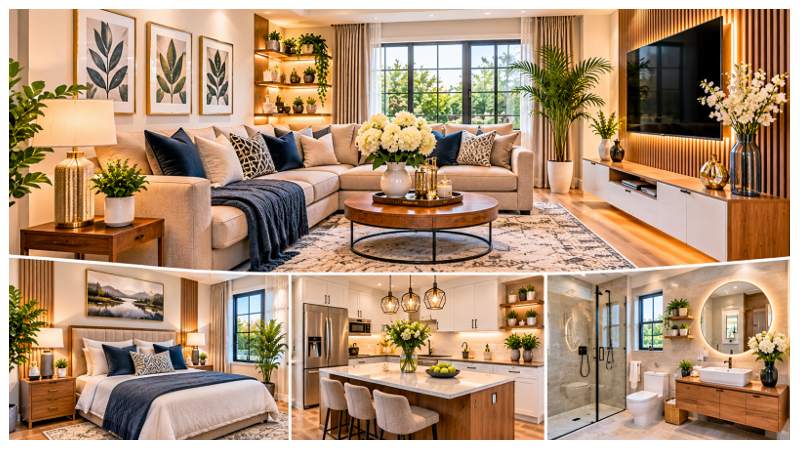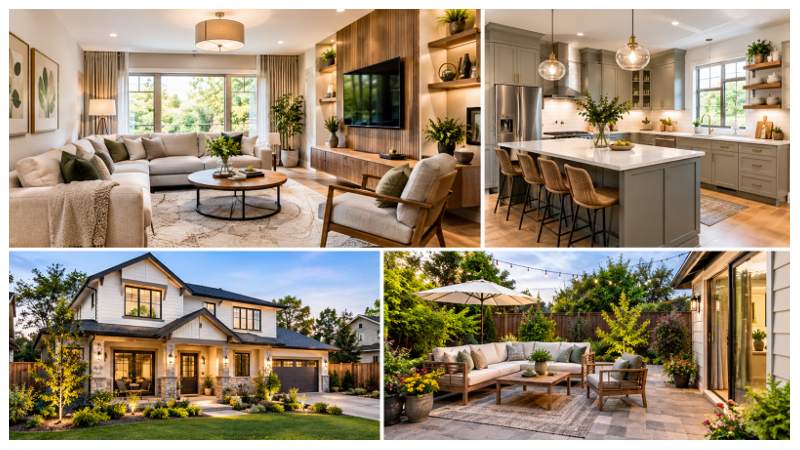
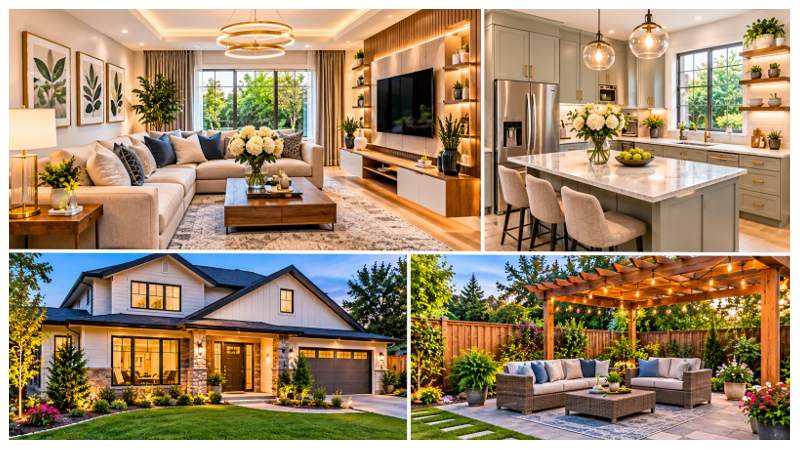
Improving a home does not always require major construction or expensive redesigns. Sometimes, replacing outdated fittings, rearranging furniture, improving lighting, or introducing better storage can make an ordinary space feel considerably more comfortable. The key is to understand which changes will genuinely improve your surroundings and how to complete them without creating unnecessary expenses.
Decoradhouse Upgrade Tips by Decoratoradvice explores practical ways to refresh different parts of a property, from interior decoration and kitchen improvements to outdoor spaces and modern household technology. Every home has different requirements, so successful upgrades should reflect the available space, personal preferences, maintenance needs, and household budget. With thoughtful choices, you can create an attractive environment that remains useful and welcoming for years.
1. Understanding the Purpose of Home Upgrades
Home improvements are most effective when they solve existing problems or introduce features that make everyday activities more convenient. Before changing anything, examine how each area performs and identify opportunities to make it better.
Recognizing When Your Home Needs an Update
Certain signs indicate that a property may benefit from improvements. Faded paint, loose cabinet handles, damaged flooring, outdated fittings, insufficient lighting, and poorly arranged furniture can gradually affect the appearance and usability of a room. You might also notice that storage no longer accommodates your belongings or that particular spaces feel uncomfortable.
Instead of waiting until several problems develop, inspect your home periodically. Identify worn features, maintenance concerns, and areas that no longer suit your routine. This approach helps you recognize worthwhile upgrades before minor issues become more expensive to resolve.
Identifying Improvements That Make Daily Life Easier
An upgrade should contribute something useful to your everyday routine. Additional kitchen storage may simplify meal preparation, improved bathroom ventilation can help control moisture, and better bedroom lighting can create a more relaxing atmosphere.
Think about activities that currently feel inconvenient. Perhaps frequently used items are difficult to reach, electrical outlets are poorly positioned, or the living room lacks comfortable seating. Addressing these practical concerns can provide more satisfaction than following decorative trends that offer little functional benefit.
Setting Priorities for Different Home Areas
Every room has its own requirements, which means improvements should be arranged according to their importance. A damaged bathroom fitting may deserve immediate attention, while replacing decorative cushions can wait. Similarly, exterior maintenance should not be overlooked simply because interior decoration receives more attention.
Prepare a list of necessary repairs, useful upgrades, and optional decorative changes. Consider how frequently each area is used and whether any problem affects comfort or safety. Setting priorities makes the entire improvement process more organized.
2. Planning Home Upgrades Without Overspending
Financial preparation allows homeowners to improve their surroundings without placing unnecessary pressure on household expenses. A sensible plan makes it easier to compare options and avoid purchases that do not contribute meaningful benefits.
Establishing a Practical Home Improvement Budget
Begin by calculating how much you can comfortably allocate to the project. Include materials, labour, delivery charges, equipment, installation, and finishing accessories. Keep a separate allowance for unexpected expenses because older fixtures and surfaces may require additional repairs.
Avoid planning around an unrealistic spending limit. A budget should reflect the actual condition of your home and the type of work involved. If your available funds are limited, divide the project into stages instead of attempting several expensive changes simultaneously.
Choosing Projects According to Their Importance
Not every improvement deserves equal attention. Give priority to repairs that protect the property, followed by changes that improve comfort, storage, and everyday functionality. Decorative enhancements can be introduced after essential work has been completed.
For example, repairing a leaking tap should come before purchasing decorative bathroom accessories. This order prevents money from being spent on attractive additions while underlying problems remain unresolved.
Making Smart Decisions Before Buying Materials
Measure the available area and research suitable products before visiting shops or placing online orders. Compare specifications, finishes, warranties, and installation requirements rather than choosing something simply because it looks attractive.
Collect samples of paint, flooring, or decorative materials whenever possible. Examine them under the lighting conditions of your home to understand how their colours and textures will appear. Checking measurements and product compatibility beforehand also reduces the likelihood of costly returns.
3. Decoradhouse Upgrade Tips for Interior Spaces
Interior improvements influence the overall character of a property. Small adjustments to layout, colour, furniture, and storage can create a noticeably different atmosphere without requiring a complete renovation.
Giving Living Rooms a Fresh and Modern Look
A living room should provide enough space for relaxation, conversation, and entertainment. Begin by reviewing the furniture arrangement and removing items that make the area feel crowded. Position sofas and chairs so that people can interact comfortably while keeping pathways unobstructed.
Introduce a coordinated selection of cushions, curtains, rugs, and wall decorations to refresh the appearance. A simple colour scheme supported by different textures can make the room feel more interesting without overwhelming it. Updated lighting and a carefully selected centrepiece can complete the transformation.
Creating a More Comfortable Bedroom
A comfortable bedroom depends on more than attractive furniture. Consider mattress condition, window coverings, lighting, ventilation, and available storage. Soft bedding, supportive pillows, and a suitable bedside arrangement can improve the experience of using the room.
Choose calming colours that complement the existing furniture. Add practical storage solutions to keep clothing and personal belongings organized. Avoid placing too many decorative objects around the bed because an uncluttered environment often feels more peaceful.
Improving Small Rooms With Clever Design Choices
Limited space requires careful furniture selection and thoughtful organization. Choose pieces that serve more than one purpose, such as storage beds, nesting tables, or compact desks. Wall-mounted shelves can provide additional storage without occupying valuable floor space.
Mirrors and lighter wall colours may help a small room feel more open. Keep large furniture away from important walkways and use curtains that allow sufficient daylight inside. A simple arrangement with fewer unnecessary objects can make even a compact room feel comfortable.
4. Modern Kitchen Upgrade Ideas
The kitchen should support efficient cooking, convenient cleaning, and organized storage. Improvements that simplify these activities can make the room more enjoyable to use.
Updating Kitchen Cabinets and Handles
Old cabinets can sometimes be refreshed without replacing the entire installation. Repainting suitable cabinet doors, applying an appropriate finish, or replacing worn handles can give the kitchen a cleaner appearance.
Choose hardware that complements the cabinet colour and overall interior style. Before applying paint or other finishes, check the condition of the surfaces and follow the correct preparation process. Damaged or moisture-affected units may need repair or replacement instead.
Improving Worktops and Food Preparation Areas
A practical worktop should provide enough room for preparing ingredients, arranging utensils, and handling everyday appliances. Remove unnecessary objects and organize frequently used equipment so that the main preparation area remains available.
If replacing the worktop, compare materials according to their resistance to heat, scratches, stains, and moisture. Consider maintenance requirements as well as appearance because kitchen surfaces experience frequent use.
Making Better Use of Available Storage
Efficient storage reduces clutter and makes kitchen activities easier. Drawer dividers, pull-out organizers, wall shelves, and properly arranged cupboards can improve access to everyday items.
Keep frequently used cookware and utensils near their working areas. Store occasional appliances separately to prevent counters from becoming overcrowded. A well-organized kitchen feels more spacious even when its physical dimensions remain unchanged.
5. Bathroom Upgrades for Better Comfort
Bathroom improvements should create a cleaner, safer, and more convenient environment. Pay attention to water management, ventilation, surface condition, and the quality of everyday fittings.
Replacing Outdated Bathroom Fixtures
Worn taps, showerheads, handles, and mirrors can make a bathroom appear neglected. Replacing these features with coordinated designs can improve the room’s overall appearance. Select fittings that are compatible with the existing plumbing and suitable for regular use.
Before installing new products, inspect surrounding surfaces for leaks or moisture damage. Correcting these issues first helps prevent future deterioration and protects the finished work.
Improving Shower Areas and Water Efficiency
A shower should provide comfortable water flow while minimizing unnecessary consumption. Consider suitable water-saving showerheads and inspect connections for dripping or leakage. Properly fitted screens or curtains can also reduce water spreading across the bathroom floor.
Choose materials designed for wet environments and ensure that waterproofing remains effective. Good ventilation is equally important because trapped moisture can encourage mould and damage surrounding finishes.
Creating a Clean and Functional Bathroom Layout
Keep essential items accessible without allowing the room to become overcrowded. Wall-mounted cabinets, compact shelves, and mirrored storage units can make better use of limited space.
Maintain clear access around the toilet, basin, and shower area. Select surfaces that are easy to clean and flooring that provides appropriate grip when wet. A straightforward layout often makes a bathroom more comfortable than one filled with unnecessary accessories.
6. Creative Wall, Ceiling, and Flooring Improvements
Walls, ceilings, and floors form the visual foundation of an interior. Updating these surfaces can change the atmosphere of a property and create a more coordinated appearance.
Choosing Fresh Colours for Interior Walls
Paint colour influences how a room feels throughout the day. Warm neutrals can create an inviting environment, while softer greens, blues, and muted earth tones introduce a relaxed character. Consider the room’s natural light and existing furnishings before selecting a shade.
Prepare surfaces properly by cleaning them, repairing imperfections, and applying suitable primer where needed. Testing a small sample before painting an entire wall can help you avoid an unsuitable colour choice.
Adding Character Through Ceiling Details
Ceilings can contribute more to interior design than many homeowners realize. Simple decorative mouldings, subtle ceiling borders, carefully selected paint, or modern lighting arrangements can introduce visual interest.
Choose details that suit the room’s height and proportions. Heavy decorative features may overwhelm a small space, while restrained designs can make an ordinary ceiling appear more refined. Ensure that any electrical or structural changes are assessed appropriately.
Selecting Flooring That Suits Each Room
Different areas require flooring with different performance characteristics. Kitchens and bathrooms need materials that can handle moisture, while living rooms and bedrooms may benefit from surfaces that provide warmth and comfort.
Compare durability, cleaning requirements, installation expenses, and resistance to everyday wear. Check the condition of the underlying floor before installation because an unstable base can shorten the lifespan of even a high-quality product.
7. Lighting Upgrades for a Brighter Home
Good lighting makes rooms easier to use and helps decorative details stand out. Combining different light sources creates flexibility for activities throughout the day.
Introducing Modern Ceiling and Wall Lights
Replace outdated fittings with designs that complement the room’s furniture and architectural features. Ceiling lights provide general illumination, while wall fixtures can brighten darker corners or create a softer atmosphere.
Choose appropriate brightness and colour temperature for each area. Make sure that fittings are compatible with the electrical system and installed safely by a qualified professional when required.
Highlighting Important Interior Features
Focused lighting can draw attention to artwork, textured walls, shelving, or architectural details. Under-cabinet lights can also improve visibility across kitchen worktops, while reading lamps provide concentrated illumination beside a bed or chair.
Avoid placing too many decorative lights in one area. A balanced arrangement should enhance the room rather than create uncomfortable glare or unnecessary brightness.
Combining Natural and Artificial Lighting
Daylight can make interiors feel more welcoming and reduce the need for electric lighting during suitable hours. Keep windows clean, choose appropriate curtains, and avoid blocking natural light with bulky furniture.
Artificial lighting should support the room after daylight becomes limited. Use a combination of ceiling fixtures, task lights, and smaller decorative lamps to maintain a comfortable environment at different times.
8. Furniture and Decoration Upgrades
Furniture and accessories help establish a home’s personality. Choosing pieces carefully can improve comfort while maintaining a visually connected design.
Selecting Furniture That Fits Your Space
Measure rooms before purchasing large furniture and consider how much clearance is needed around doors and walkways. A sofa that looks impressive in a showroom may be unsuitable for a smaller living room.
Choose furniture according to its intended use, construction, and maintenance requirements. Practical proportions often produce a more attractive result than filling every available corner with oversized pieces.
Refreshing Old Furniture With Simple Changes
Existing furniture may deserve a second life rather than immediate replacement. Suitable wooden pieces can be sanded, refinished, or repainted, while new handles and upholstery may improve their appearance.
Check the item’s condition before starting. Repairs should be completed first, and finishes should be selected according to the material. Reusing furniture can also help control spending and reduce unnecessary waste.
Using Accessories to Create a Coordinated Interior
Cushions, mirrors, artwork, rugs, lamps, and decorative objects can connect different design elements. Choose a limited selection of colours and textures that work with the permanent features of the room.
Vary the size and placement of accessories to create visual interest. Leave some surfaces clear so that decorative items remain noticeable instead of disappearing into clutter.
9. Smart Home Technology and Modern Features
Technology can make a property more convenient when devices are selected according to genuine household needs. Focus on features that simplify routines rather than purchasing equipment simply because it is fashionable.
Introducing Useful Smart Home Devices
Smart bulbs, programmable thermostats, compatible plugs, and automated lighting controls can provide greater control over certain household functions. Some systems allow users to manage connected devices through mobile applications or voice commands.
Before purchasing equipment, check compatibility with your internet connection, existing devices, and preferred control system. Choose products with clear security updates and dependable support.
Improving Home Security and Convenience
Appropriate security upgrades may include video doorbells, motion-sensitive outdoor lights, reliable locks, and compatible alarm systems. These features can improve awareness around entrances and make certain household tasks more convenient.
Position cameras and sensors thoughtfully while respecting neighbours’ privacy. Protect connected accounts with strong passwords and available security features.
Making Everyday Household Tasks Easier With Technology
Automation can reduce repetitive activities when used sensibly. Timed lighting, smart plugs, and programmable appliances may help manage household routines more efficiently.
Start with one or two useful devices before introducing a larger system. This allows you to understand their operation, maintenance, and practical benefits without spending unnecessarily.
10. Exterior Home Upgrade Tips
Exterior improvements influence the property’s appearance while helping protect surfaces exposed to changing weather conditions. Regular maintenance should remain part of every outdoor upgrade plan.
Refreshing the Front Door and Entrance
The entrance provides the first impression of a home. Clean the doorway, repair damaged surfaces, and consider repainting the door in a colour that complements the exterior. Updated handles, suitable lighting, and a neat entrance mat can complete the improvement.
Check steps and pathways for loose sections or uneven surfaces. Keeping the entrance tidy and accessible contributes to both appearance and convenience.
Updating Exterior Walls and Decorative Finishes
Inspect outside walls for peeling paint, damaged render, cracks, and moisture marks. Find the cause of deterioration before applying new coatings, especially when water penetration may be involved.
Use exterior finishes designed for the relevant surface and local weather conditions. Larger cracks or signs of structural movement should be assessed by an experienced professional.
Improving Outdoor Appearance With Practical Details
Clean windows, maintain boundary walls, repair fences, and organize visible outdoor areas. Coordinated exterior colours and well-maintained pathways can make the property look more complete.
Choose decorative features that do not interfere with access or drainage. Simple improvements often create a stronger impression than adding numerous unrelated accessories.
11. Garden and Patio Upgrade Ideas
A well-arranged outdoor area can provide additional room for relaxation and social activities. Design it according to the available space and the amount of maintenance you can manage.
Creating a More Inviting Garden Layout
Divide the garden into useful areas where possible. You might reserve one section for planting, another for seating, and a clear route for movement. Consider sunlight, soil condition, drainage, and privacy before deciding where everything should go.
For smaller gardens, vertical planters and containers can introduce greenery without occupying too much ground space.
Updating Patio Furniture and Outdoor Surfaces
Replace damaged outdoor furniture or refresh suitable existing pieces with weather-resistant finishes. Arrange seating to allow comfortable conversation while keeping entrances and pathways clear.
Inspect patio flooring for loose paving, uneven sections, and poor drainage. Select replacement surfaces that offer appropriate outdoor grip and can withstand local weather conditions.
Adding Plants and Attractive Garden Features
Introduce plants according to their sunlight, watering, and seasonal requirements. A combination of different heights and leaf textures can create a more interesting arrangement without requiring excessive decoration.
Outdoor lighting, simple planters, and weather-resistant accessories can complete the setting. Keep the design balanced so that plants and useful outdoor features remain the main attraction.
12. Energy-Saving and Eco-Friendly Home Upgrades
Energy-conscious improvements can support household comfort and reduce avoidable resource consumption. Begin with practical changes that suit the property’s construction and daily requirements.
Improving Home Insulation and Airflow
Inspect ceilings, roofs, doors, and windows for areas where unwanted heat may enter or escape. Suitable insulation can help stabilize indoor temperatures, while proper ventilation allows moisture and stale air to leave the building.
Plan these improvements together because poorly managed airflow can contribute to condensation. Seek professional advice when dealing with concealed spaces or complex insulation requirements.
Installing Energy-Efficient Lighting
LED bulbs are a useful option for reducing electricity consumption in frequently used areas. They are available in different brightness levels and colour temperatures, making them suitable for many household applications.
Replace older bulbs gradually and select products compatible with existing fixtures. Turning off unnecessary lights and using daylight effectively can provide additional savings.
Reducing Water and Electricity Consumption
Repair leaking taps, choose suitable water-efficient fittings, and avoid leaving appliances running when they are not needed. Energy-efficient equipment may also help reduce ongoing consumption, although its suitability should be assessed before purchase.
Small habits can support larger upgrades. Using appliances responsibly, maintaining equipment, and monitoring household usage can help identify opportunities for further improvements.
13. DIY Home Upgrades and Professional Improvements
Deciding whether to complete work yourself or employ a specialist depends on the level of difficulty, required equipment, and possible safety risks.
Exploring Simple Projects You Can Complete Yourself
Painting, arranging shelves, replacing suitable decorative handles, assembling furniture, and refreshing certain garden features may be manageable DIY activities. Read product instructions and prepare the working area before beginning.
Start with tasks that match your experience. Using suitable protective equipment and allowing enough time for careful preparation can improve the finished result.
Recognizing Upgrades That Need Expert Assistance
Electrical installations, structural alterations, major plumbing changes, roofing repairs, and complex waterproofing should be handled by appropriately qualified professionals. Incorrect work in these areas can create expensive damage or serious safety risks.
If you are unsure whether a project requires specialist knowledge, obtain an assessment before proceeding. Professional guidance can help establish the safest and most suitable approach.
Choosing Reliable Materials and Skilled Workers
Research contractors before agreeing to a project. Review previous work where possible, request written quotations, and clarify the materials, labour, completion stages, and responsibilities included.
Select materials from dependable suppliers and check product specifications. Clear communication between homeowners, contractors, and suppliers helps reduce misunderstandings during installation.
14. Common Mistakes to Avoid During Home Upgrades
Good results depend not only on choosing attractive improvements but also on avoiding decisions that create unnecessary problems later.
Avoiding Unnecessary Changes and Purchases
Replacing functional items without a clear reason can consume money that could be used for more important improvements. Before purchasing something new, consider whether repairing, repainting, or reorganizing the existing feature would achieve the same purpose.
Make a list of planned purchases and compare each item with your original goals. This keeps spending focused and reduces impulse decisions.
Maintaining a Consistent Design Throughout the Home
Different rooms can have individual styles, but their colours and finishes should still feel connected. Too many unrelated patterns, materials, or decorative themes may make the property appear disjointed.
Choose a few recurring design elements, such as similar wood tones, complementary colours, or coordinated hardware. These details create continuity without making every room look identical.
Paying Attention to Quality and Long-Term Maintenance
A low initial price does not always represent good value. Some products require frequent repairs, special cleaning, or early replacement. Compare durability and ongoing maintenance before making important purchases.
Keep installation instructions and warranty information for major products. Regular care can also help preserve finishes and extend the useful life of new improvements.
Keeping Safety and Functionality a Priority
Never allow decorative preferences to interfere with safe movement, ventilation, electrical protection, or secure installations. Maintain clear pathways and use products appropriate for their intended locations.
If an upgrade involves technical work, follow applicable safety requirements and obtain professional assistance when necessary. A home should remain dependable as well as attractive.
15. Maintaining Your Home After Upgrading
Once improvements are complete, regular attention helps preserve their appearance and performance. A simple maintenance routine can prevent small problems from developing into larger repairs.
Following a Regular Cleaning and Care Routine
Create cleaning habits suited to the materials in each room. Use appropriate products for flooring, worktops, furniture, bathroom surfaces, and exterior finishes. Avoid harsh cleaning methods that may damage protective coatings.
Pay particular attention to moisture-prone areas, kitchen surfaces, and frequently touched fittings. Consistent care helps maintain a fresh appearance.
Checking Fixtures, Surfaces, and Equipment
Periodically inspect taps, door handles, windows, lighting fixtures, appliances, and other frequently used features. Look for loose fittings, unusual sounds, leaks, or visible deterioration.
Address minor concerns early and arrange professional inspections when technical problems appear. Regular checks help keep upgraded areas working as intended.
Protecting New Improvements From Early Wear
Use suitable protective pads beneath furniture, clean spills promptly, and follow the care instructions provided with new products. Outdoor furniture and decorative items may need protection during severe weather.
Avoid placing excessive weight on shelves or using surfaces for purposes they were not designed to support. Sensible everyday use helps preserve the quality of your improvements.
16. Final Decoradhouse Upgrade Tips by Decoratoradvice
Improving a property is an ongoing process that should respond to changing household needs. The best upgrades combine thoughtful design, sensible spending, and practical features that make each room more useful.
Investing in Changes That Improve Everyday Living
Give attention to improvements that solve real problems, increase comfort, or make household activities easier. Better storage, suitable lighting, reliable fittings, and well-maintained surfaces often provide meaningful benefits.
Rather than following every new trend, select changes that support the way you actually use your home. This makes each investment more purposeful.
Combining Attractive Design With Practical Features
A beautiful room should also be easy to use and maintain. Choose furnishings that fit, materials that suit the environment, and decorative details that complement existing features.
Keep a balance between appearance and convenience. The most appealing spaces are often those where everything has a clear purpose and the design feels naturally connected.
Building a Home That Remains Comfortable and Modern
A comfortable home does not depend on constant expensive changes. It develops through careful maintenance, thoughtful updates, and decisions that reflect the needs of the people living there.
By following these Decoradhouse Upgrade Tips by Decoratoradvice, homeowners can approach improvements with a clearer plan and greater confidence. Whether refreshing one room, updating the kitchen, improving the garden, or introducing useful technology, focus on changes that provide lasting benefits. A collection of well-chosen upgrades can gradually create a more attractive, functional, and welcoming home.