A home exterior is more than a protective covering; it expresses the character of the property and influences how people experience it before entering. The arrangement of outdoor features, choice of materials, colour combinations, and general upkeep all contribute to its appearance. A thoughtfully designed exterior can make an ordinary building look more inviting while improving its usefulness and long-term condition. Small adjustments, when selected carefully, can create a noticeable difference without requiring a complete renovation.
1. How Exterior Appearance Shapes the First Impression
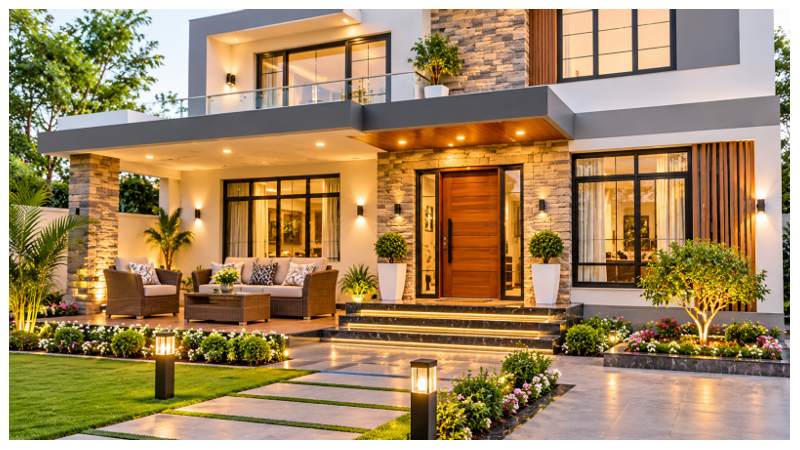
The front of a property is usually the first area visitors notice, making its condition an important part of the overall impression. A tidy entrance, attractive windows, clean walls, and a well-maintained garden can give the building a welcoming appearance. Even simple details, such as a freshly painted door or neatly arranged planters, can make the property look more cared for. Keeping these elements coordinated helps create an exterior that feels inviting rather than crowded.
Creating a Balance Between Beauty and Practicality
Outdoor improvements should look appealing while serving a useful purpose. Decorative pathways, for example, can guide visitors safely towards the entrance, while exterior lights improve visibility after sunset. Weather-resistant finishes protect surfaces and maintain their appearance over time. When planning changes, consider how each feature will perform in everyday conditions instead of choosing it only for its visual effect.
Choosing an Exterior Style That Suits Your Home
Every property has its own architectural features, proportions, and surroundings. A contemporary building may suit clean lines, simple finishes, and understated lighting, whereas a traditional house might look better with natural textures and classic decorative details. Consider the roof shape, window design, wall materials, and nearby properties before selecting a theme. A consistent approach makes the exterior feel naturally connected from one area to another.
2. Planning Your Home Exterior Improvements
Successful outdoor improvements begin with a clear understanding of what needs changing. Rushing into purchases or starting several projects simultaneously can create unnecessary expenses and unfinished work. A practical plan helps homeowners decide which tasks deserve attention first, how much money is available, and which materials are suitable for the property. Careful preparation also makes it easier to manage the project from its beginning to completion.
Identifying Areas That Need Attention
Walk around the property and inspect each visible section. Look for peeling paint, cracked pathways, damaged fencing, loose paving, blocked gutters, and worn outdoor fixtures. Separate urgent maintenance concerns from purely decorative changes. For example, repairing a leaking gutter should take priority over installing new garden ornaments. This inspection provides a useful starting point and prevents important problems from being overlooked.
Setting a Realistic Budget for Exterior Projects
Decide how much you can comfortably spend before ordering materials or hiring workers. Include the cost of supplies, labour, equipment, transportation, and waste removal where applicable. It is sensible to reserve additional money for unexpected repairs because older exterior surfaces may reveal hidden damage during renovation. Comparing several suppliers can also help you find suitable products without paying more than necessary.
Selecting Improvements Based on Your Priorities
Not every outdoor feature needs an immediate upgrade. Rank projects according to safety, condition, usefulness, and appearance. Address damaged surfaces and drainage problems first, then move towards improvements such as painting, lighting, landscaping, and decorative additions. Completing one manageable project at a time allows you to monitor quality and avoid disrupting several parts of the property simultaneously.
3. Home Exterior Colour and Paint Ideas
Colour has a strong influence on the visual character of a building. A carefully selected palette can highlight architectural details, make the entrance more noticeable, and connect the house with its surroundings. However, exterior paint must also withstand changing temperatures, sunlight, moisture, and dust. Choosing attractive shades alongside suitable coatings helps maintain a pleasing finish for longer.
Choosing Colours That Complement Your Property
Start by examining permanent features that will not be replaced easily, including roofing, brickwork, stonework, and window frames. Select wall colours that work naturally with these existing elements. Soft cream, warm grey, muted beige, and subtle earthy tones can create a balanced appearance, while deeper shades may be useful for selected details. Testing samples on a small exterior section helps reveal how colours appear in natural daylight.
Combining Shades for an Attractive Exterior
Using several carefully coordinated colours can give a building depth without making its appearance confusing. A primary shade can cover the largest wall surfaces, while a secondary tone highlights trims, window surrounds, or architectural borders. A darker colour may work well on the front door or selected outdoor features. Keep the palette controlled so that every shade contributes to a unified design.
Selecting Weather-Resistant Paint and Finishes
Exterior coatings should be designed for the surface and climate in which they will be used. Choose products that offer suitable protection against moisture, sunlight, and ordinary outdoor wear. Before painting, remove loose material, clean the surface, and apply an appropriate primer when required. Following the manufacturer’s preparation and drying instructions can improve adhesion and help prevent early peeling.
4. Front Entrance and Door Decoration Ideas
The entrance deserves special attention because it connects the outdoor environment with the interior of the home. A well-arranged doorway can make the property feel more welcoming while providing a practical route for residents and visitors. You do not need expensive architectural changes to improve this area; a combination of maintenance, thoughtful decoration, and suitable lighting can produce an attractive result.
Creating an Attractive and Welcoming Entrance
Begin by removing unnecessary objects and keeping the entrance clear. Repair loose steps, clean the surrounding floor, and make sure the doorway opens without obstruction. A suitable doormat, neatly placed planters, or a simple bench can introduce warmth without occupying too much room. The aim is to create an entrance that looks organised and remains convenient for everyday use.
Updating Front Doors With Stylish Details
A front door can become a distinctive feature through a fresh finish, suitable hardware, or carefully selected colour. Repainting an older door may provide a noticeable improvement when its surface is still in good condition. Replacing worn handles, hinges, or house-number fittings can also make the entrance look more refined. Choose details that complement the building rather than competing with its architectural style.
Adding Decorative Features Around the Doorway
Small additions can make the entrance more individual. Wall-mounted lights, a tasteful wreath, matching planters, or a simple decorative panel may create visual interest. Ensure that accessories do not block the doorway, interfere with security equipment, or make the walking area difficult to use. A few well-positioned items generally look more effective than filling every available space.
5. Exterior Wall Design and Finishing Ideas
Exterior walls occupy a large portion of the building’s visible surface, so their condition has a major influence on the overall appearance. Updating these areas can refresh an ageing property and help protect the underlying structure. The most suitable finish depends on the existing wall material, exposure to weather, maintenance requirements, and the architectural character of the house.
Refreshing Walls With Modern Finishes
A clean, even wall surface can make a property appear noticeably more maintained. Depending on the construction, suitable options may include exterior paint, textured coatings, render, or other protective finishes. Before applying a new layer, inspect the wall for cracks, damp patches, and loose material. Address underlying defects rather than simply covering them with decorative products.
Using Stone, Brick, and Decorative Panels
Natural stone, exposed brick, and exterior panels can introduce texture and variation to plain walls. These materials may work particularly well around entrances, boundary features, or selected architectural sections. Instead of covering the entire building, consider using them as focused design elements. Check that the chosen product is appropriate for outdoor exposure and compatible with the existing wall structure.
Maintaining Exterior Surfaces for a Neat Appearance
Dust, algae, stains, and accumulated dirt can gradually affect outdoor walls. Clean surfaces using a method suitable for the material, avoiding excessive pressure that could damage paint, mortar, or delicate finishes. Inspect joints and exposed edges periodically, and repair minor deterioration before it spreads. Regular care helps preserve both the appearance and condition of exterior surfaces.
6. Driveway and Walkway Improvement Hacks
Driveways and paths influence how people approach and move around a property. Their design should support comfortable movement, suitable drainage, and easy maintenance. A neat route can also connect the entrance, garden, parking area, and patio in a more organised way.
Choosing Suitable Materials for Driveways
Concrete, paving blocks, gravel, and other outdoor surfaces each offer different advantages. Consider vehicle weight, expected use, local weather, installation requirements, and maintenance before choosing a material. The base preparation is just as important as the visible finish because an unstable foundation can lead to uneven surfaces and movement over time.
Creating Clean and Attractive Garden Paths
A garden pathway can provide structure while making outdoor areas easier to explore. Straight routes often suit simple layouts, whereas gently curved paths can soften a larger garden. Use paving stones, gravel, or other appropriate materials to match the surrounding design. Keep edges defined and avoid placing decorative objects where they could interrupt walking space.
Improving Outdoor Access With Practical Designs
Make sure pathways are wide enough for comfortable movement and provide a stable surface underfoot. Pay attention to steps, changes in ground level, and areas that become slippery during wet weather. Proper drainage should prevent water from collecting along frequently used routes. Good access design improves convenience while helping reduce the risk of accidents.
7. Garden and Front Yard Styling Ideas
The front garden can soften the appearance of walls, entrances, and paved areas. Even a small outdoor space can look attractive when plants and decorative features are arranged with a clear purpose. The most successful layouts consider available sunlight, soil conditions, watering needs, and the amount of time required for maintenance.
Arranging Plants for a Balanced Outdoor Look
Choose plants according to the growing conditions of the garden rather than selecting them only for appearance. Combine different heights and textures to create depth, placing taller varieties where they will not obstruct windows or entrances. Smaller plants can define borders and soften hard surfaces. Leave enough space for healthy growth so that the garden does not become overcrowded.
Creating Attractive Borders and Garden Features
Defined garden edges can separate planting areas from lawns, driveways, and paths. Stone edging, simple timber borders, or carefully arranged paving may help maintain a tidy layout. A modest focal point, such as a planter, decorative pot, or small seating feature, can give the garden character without making it feel busy.
Keeping Front Yard Spaces Clean and Organized
Remove fallen leaves, weeds, and unwanted debris regularly. Trim plants when necessary, keep garden tools in a suitable storage area, and avoid allowing pots to block pathways. A simple maintenance schedule makes outdoor care easier and prevents small tasks from developing into larger jobs.
8. Outdoor Lighting Ideas for a Stylish Exterior
Outdoor lighting adds another layer to exterior design by improving visibility and drawing attention to selected features. It can make entrances easier to use at night and create a comfortable atmosphere around gardens and seating areas. The best arrangement provides useful illumination without producing excessive glare or disturbing neighbouring properties.
Installing Lights Around Entrances and Pathways
Position suitable fixtures near doorways, steps, and commonly used paths. Wall lights can illuminate the entrance, while low-level pathway fixtures help people identify walking routes. Select products rated for outdoor conditions and install electrical equipment according to safety requirements. Motion sensors can be useful in areas where lights are not needed continuously.
Highlighting Architectural and Garden Features
Directional lighting can bring attention to textured walls, decorative trees, boundary features, and attractive planting arrangements. Use a restrained approach so that the light enhances the property instead of making every feature equally prominent. Carefully angled fixtures can create depth while reducing unwanted brightness.
Choosing Energy-Efficient Outdoor Lighting
LED fixtures are a practical option because they generally consume less electricity than traditional bulbs and are available in various brightness levels. Solar-powered lights may suit suitable garden locations with adequate sunlight. Choose lighting based on the purpose of each area, and consider timers or sensors to prevent unnecessary energy use.
9. Patio and Outdoor Living Space Improvements
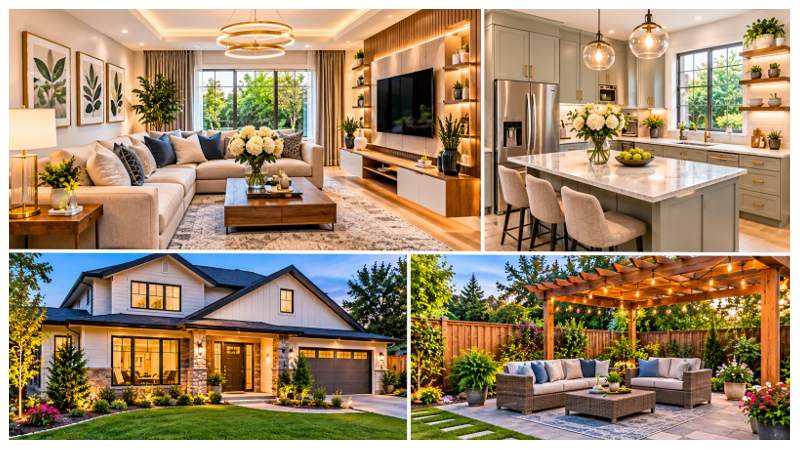
A patio can extend the useful living area of a property by providing a place to relax, enjoy meals, or spend time with family. Its layout should match the available space and remain comfortable in different weather conditions. A few well-chosen improvements can make even a modest patio more inviting.
Arranging Comfortable Outdoor Furniture
Measure the available area before purchasing chairs, tables, or benches. Leave enough room for people to move between furniture pieces without squeezing through narrow gaps. Weather-resistant materials are generally more suitable for outdoor use, while cushions should be easy to store or clean. Arrange seating to make conversation convenient and preserve access to doors.
Decorating Patios With Suitable Accessories
Outdoor rugs, planters, lanterns, and cushions can introduce colour and texture to a plain patio. Choose accessories that can withstand the conditions in your area and do not require excessive care. Keeping a consistent colour theme helps connect the furniture with nearby walls, paving, and garden features.
Creating a Relaxing Space for Family Activities
Consider how the patio will be used before deciding on its layout. A dining table may be useful for outdoor meals, while a smaller seating arrangement can create a quiet corner for reading. Shade from a canopy, umbrella, or suitable structure can improve comfort during sunny periods. Maintain clear routes and keep potentially hazardous equipment away from activity areas.
10. Windows, Roofs, and Exterior Details
Smaller architectural elements contribute significantly to the finished appearance of a house. Windows, roof edges, gutters, trims, and fittings should work together with the main exterior design. Looking after these details can also prevent avoidable maintenance problems.
Improving Window Appearance With Decorative Features
Clean glass and well-maintained frames can make the entire building look brighter and more orderly. Suitable shutters, simple window boxes, or coordinated trim colours may add character where they complement the architecture. Avoid placing decorations where they restrict ventilation, block emergency exits, or interfere with window operation.
Maintaining Roofs and Gutters Properly
Check roofs and guttering periodically for visible damage, loose components, blockages, and signs of water leakage. Clear debris from accessible gutters safely and arrange professional assistance for work at height or repairs requiring specialist knowledge. A properly functioning drainage system helps direct rainwater away from walls and foundations.
Adding Stylish Trims and Finishing Touches
Window surrounds, fascia boards, railings, and boundary details can provide a more complete exterior appearance. Choose finishes that coordinate with the main colour scheme and existing materials. Consistent detailing helps different parts of the building look connected rather than appearing as unrelated additions.
11. Budget-Friendly Home Exterior Hacks
Improving the outside of a home does not always require major construction or expensive products. Many visible changes can be achieved through cleaning, repainting, repairing, and rearranging existing features. The key is to identify improvements that offer noticeable benefits without creating unnecessary spending.
Refreshing Outdoor Spaces Without Major Expenses
Start with basic tasks such as washing suitable surfaces, trimming plants, repainting tired fixtures, and reorganising outdoor furniture. Replacing a damaged house number or updating an old doormat may also improve the entrance. These small projects can refresh the property’s appearance while keeping the budget manageable.
Reusing Materials for Creative Exterior Projects
Old containers can become planters, leftover paving pieces may be useful for small garden borders, and suitable timber can be transformed into simple outdoor features. Before reusing anything, check its condition and suitability for exposure to rain and sunlight. Avoid materials that are rotten, unstable, contaminated, or unsafe for their intended purpose.
Trying Simple DIY Improvements Around the Home
Homeowners with basic skills may be able to handle tasks such as painting suitable surfaces, assembling planters, cleaning outdoor furniture, or installing simple decorative items. Use the correct tools and protective equipment, and follow product instructions. Electrical work, structural alterations, roofing repairs, and other specialist tasks should be handled by qualified professionals.
12. Weather Protection and Exterior Maintenance
Outdoor areas face regular exposure to rain, wind, sunlight, temperature changes, and airborne dirt. These conditions can gradually weaken finishes and affect materials if maintenance is ignored. Preventive care helps reduce deterioration and protects the investment made in exterior improvements.
Protecting Exterior Surfaces From Harsh Weather
Use appropriate coatings and materials for the conditions experienced by your property. Paint, sealants, timber treatments, and other protective products should be selected according to the surface they are intended to cover. Inspect exposed areas after severe weather and address damage before it becomes more extensive.
Preventing Moisture and Water-Related Damage
Water can cause staining, peeling finishes, timber deterioration, and problems around foundations when it is not directed away properly. Keep drainage routes clear, repair leaking gutters, and check that outdoor paving slopes appropriately where required. If dampness continues to appear inside or outside the building, investigate the source instead of repeatedly covering the affected area.
Following a Regular Outdoor Maintenance Routine
Create a seasonal checklist covering walls, windows, roof drainage, paving, garden areas, and outdoor fixtures. Some tasks may be needed monthly, while others can be completed once or twice a year. Recording repairs and maintenance dates makes it easier to track recurring problems and plan future improvements.
13. Eco-Friendly Home Exterior Improvement Ideas
Sustainable choices can make exterior projects more responsible while supporting long-term household efficiency. Selecting durable materials, managing water carefully, and choosing suitable plants can reduce waste and unnecessary resource consumption. Environmentally considerate improvements can also create a healthier and more attractive outdoor setting.
Using Sustainable Materials for Outdoor Projects
Look for responsibly sourced timber, recycled paving products, durable materials, and finishes with suitable environmental information. Consider the expected lifespan of a product rather than comparing purchase prices alone. Materials that last longer and require fewer replacements may reduce waste over time.
Adding Plants to Support a Greener Environment
Native and climate-appropriate plants are often useful choices because they are better suited to local growing conditions. Trees and shrubs can provide shade, while flowering varieties may support pollinators when selected carefully. Group plants according to their water requirements to make garden care more efficient.
Reducing Energy Use With Smart Exterior Features
Energy-efficient outdoor lighting, suitable insulation, shaded windows, and well-maintained doors can contribute to lower household energy demand. Solar lighting may also be suitable for certain outdoor locations. Select features according to the property’s conditions and ensure that installations are completed safely.
14. Common Home Exterior Design Mistakes to Avoid
An attractive exterior depends on thoughtful decisions, not simply adding more colours, decorations, or expensive materials. Some design choices may look impressive individually but become unsuitable when combined. Considering the whole property before making changes helps prevent disappointing results.
Avoiding Clashing Colours and Finishes
Too many unrelated shades can make the building look visually unsettled. Choose a limited palette and check how new colours work with existing roof tiles, paving, windows, and boundary walls. Test samples before applying them across large surfaces.
Preventing Overcrowded Outdoor Decorations
Filling every corner with pots, ornaments, furniture, and accessories can reduce the usable space and make maintenance difficult. Select a few features that support the design and leave enough open area around entrances and pathways. A more restrained arrangement often looks cleaner and more considered.
Choosing Materials Suitable for Local Weather
A material that performs well in one climate may deteriorate quickly in another. Consider rainfall, heat, sunlight, humidity, and temperature changes when choosing exterior products. Check manufacturer guidance and seek professional advice where the suitability of a material is uncertain.
Maintaining Safety Along Paths and Entrances
Loose paving, slippery steps, poor lighting, and obstructed routes can create avoidable hazards. Inspect frequently used areas and repair problems promptly. Keep cables, tools, and decorative objects away from walking routes, particularly around entrances and outdoor seating areas.
15. Final Home Exterior Hacks Decoradhouse: Stylish Exterior Tips
Improving the outside of a property is an opportunity to create a more attractive, comfortable, and practical environment. The most effective results usually come from combining careful planning with suitable materials and regular maintenance. Rather than changing everything at once, focus on improvements that address genuine needs and complement the building’s existing character.
Making Practical Changes That Improve Appearance
Begin with visible issues such as worn paint, neglected planting, untidy pathways, and outdated entrance details. Choose updates that improve both appearance and everyday use. Even modest changes can make a meaningful difference when they are completed neatly and maintained properly.
Combining Modern Style With Long-Term Durability
A successful exterior should remain useful and attractive beyond the latest design trend. Select finishes that suit the property, lighting that serves a clear purpose, and outdoor materials that can handle local conditions. Combining contemporary details with dependable construction creates a more lasting result.
Creating an Outdoor Look That Reflects Your Home’s Character
Every home has features that make it distinctive. Use its architectural style, surroundings, and available outdoor space as the foundation for your decisions. With thoughtful colours, well-arranged landscaping, practical lighting, and carefully selected decorations, you can develop an exterior that feels personal, welcoming, and well cared for.